As part of their education at Ethical Culture Fieldston School, students develop ethical principles influenced by the nurturing of their capacity for morality and empathy. While much of this molding occurs in the classroom and students’ backyard of New York City, Fieldston Middle and Fieldston Upper students have the opportunity over Spring Recess to apply this budding perspective to global sites. Students embarked on trips to Rome, Costa Rica, and Japan this past Spring Recess, with each itinerary encompassing historical and cultural landmarks to broaden students’ knowledge.
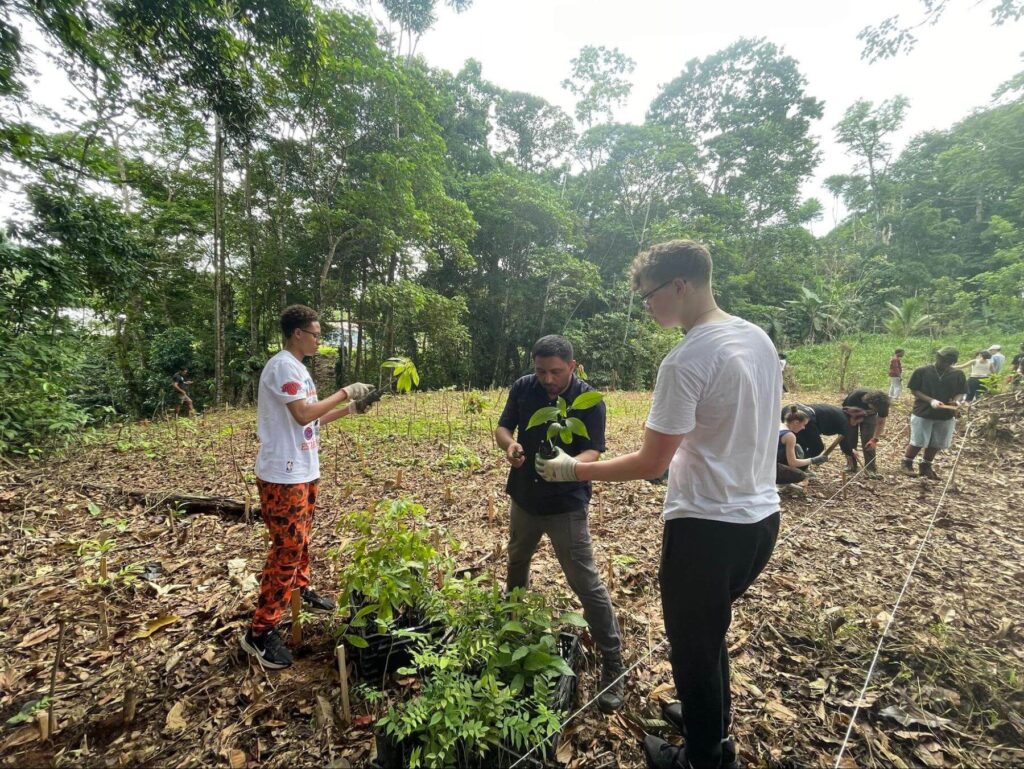
In Costa Rica, a journey focused on the country’s commitment to wildlife preservation, sustainability, and education awaited a group of Fieldston Upper students. After a boat tour exploring Tortuguero’s wildlife, students proceeded to Sarapiquí for service projects involving reforestation and assisting in cleaning and planting a school greenhouse.
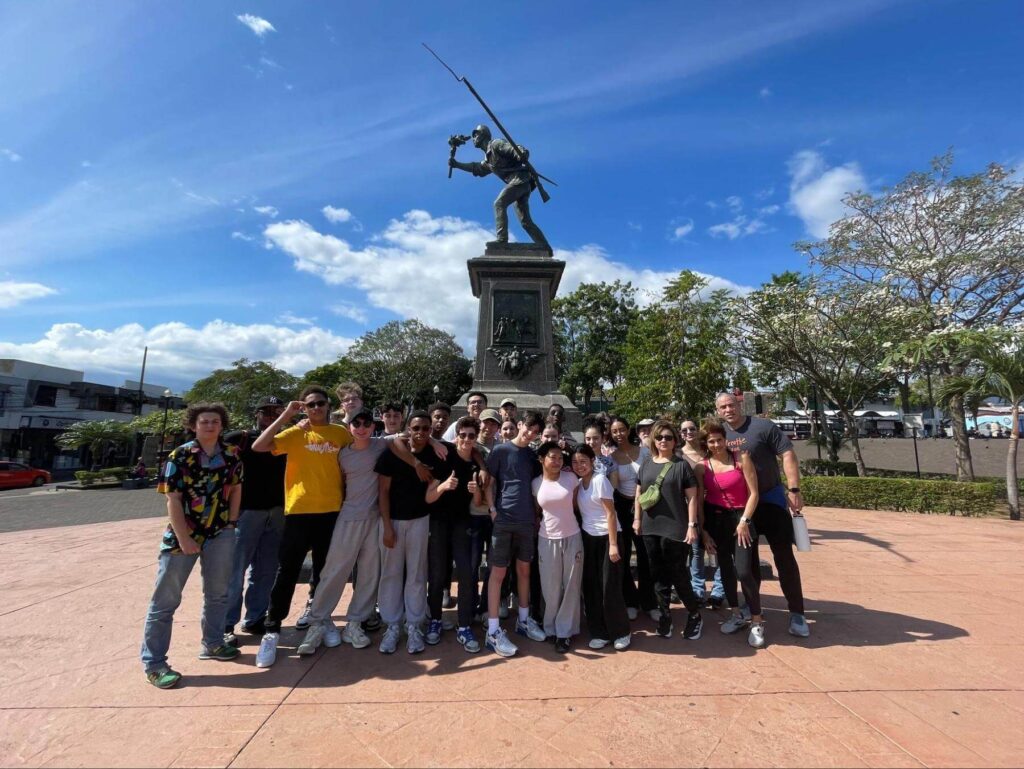
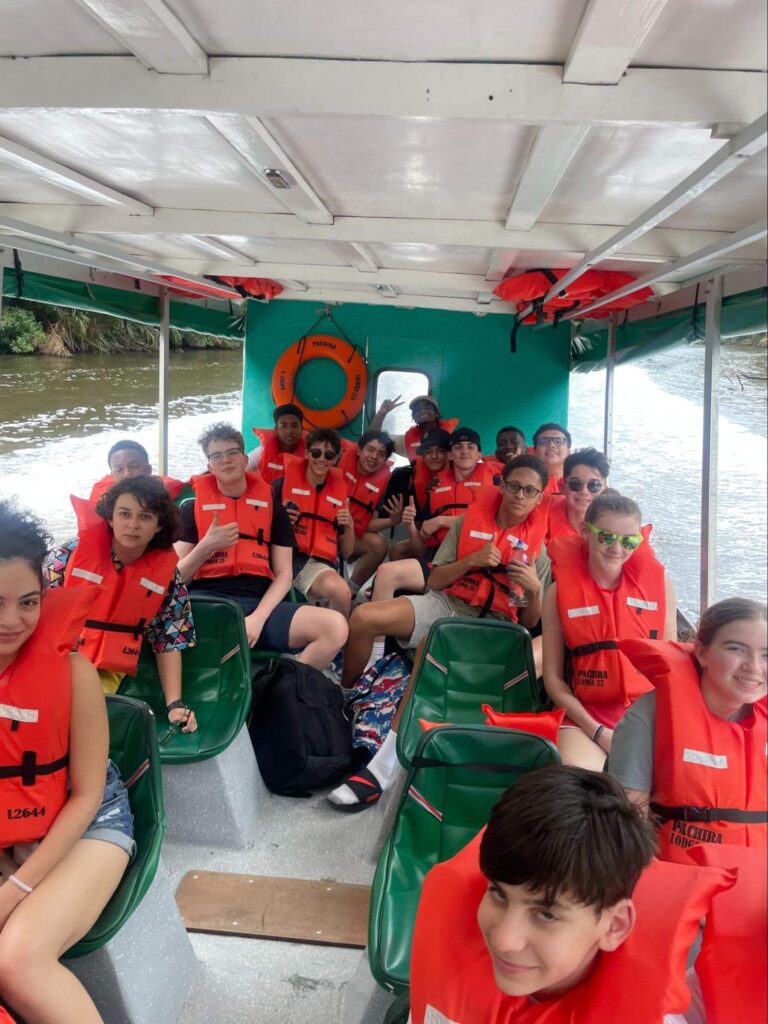
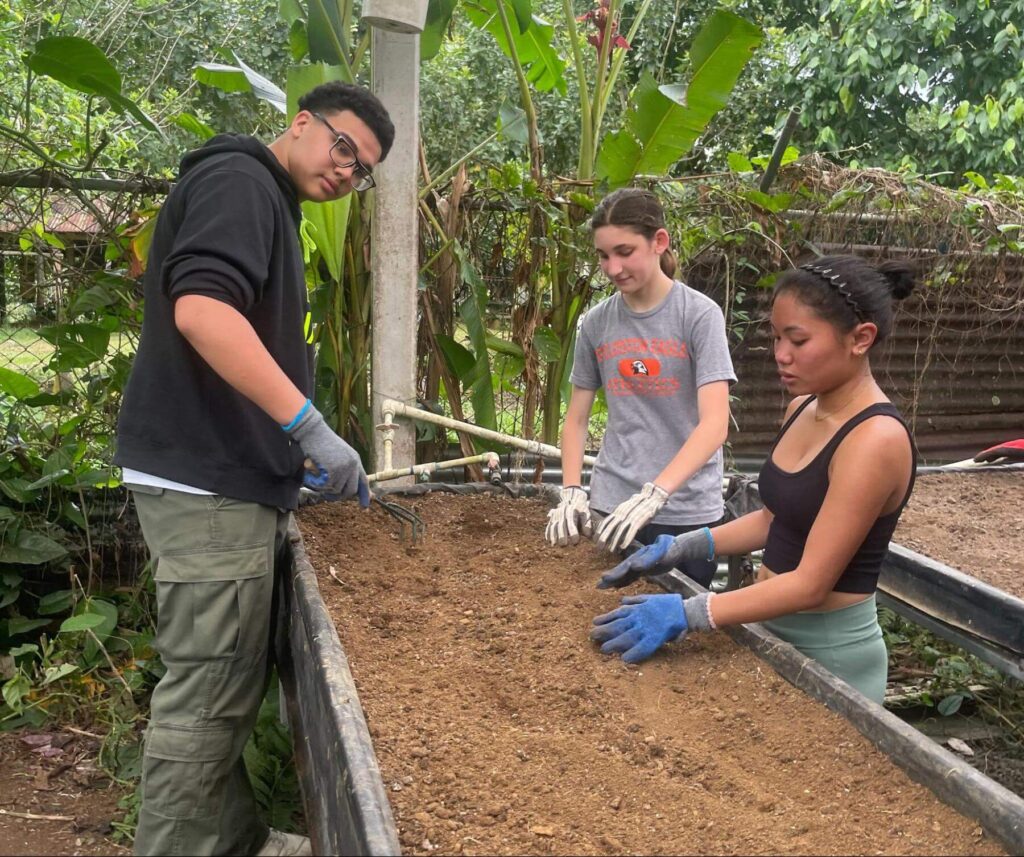
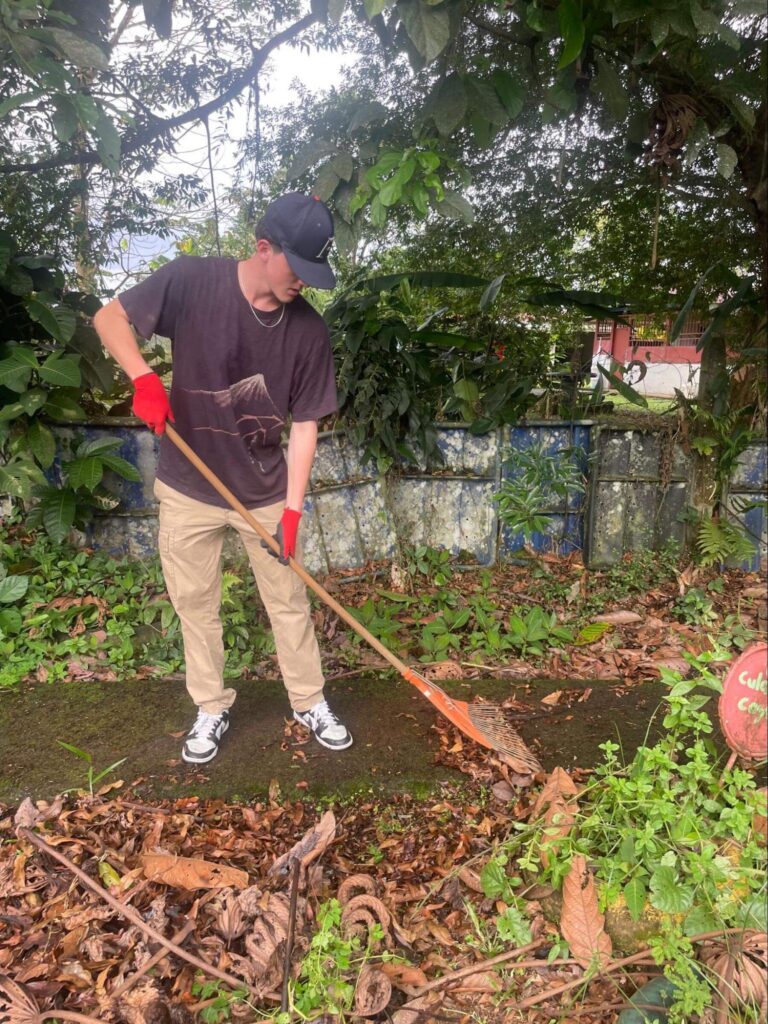
“Participating in the reforestation efforts and assisting in the school greenhouse gave students a practical understanding of environmental responsibility and an appreciation for Costa Rica’s dedication to ecological preservation,” says Costa Rica trip leader and Spanish Teacher Alba Santana. “These two experiences highlighted the delicate balance of ecosystems and the significant impact of human activities on nature. By witnessing the country’s efforts to maintain its natural beauty and biodiversity, students were likely inspired to reflect on their own environmental footprints. I believe such direct involvement educates and inspires a lifelong perspective on the world and our place within it.”
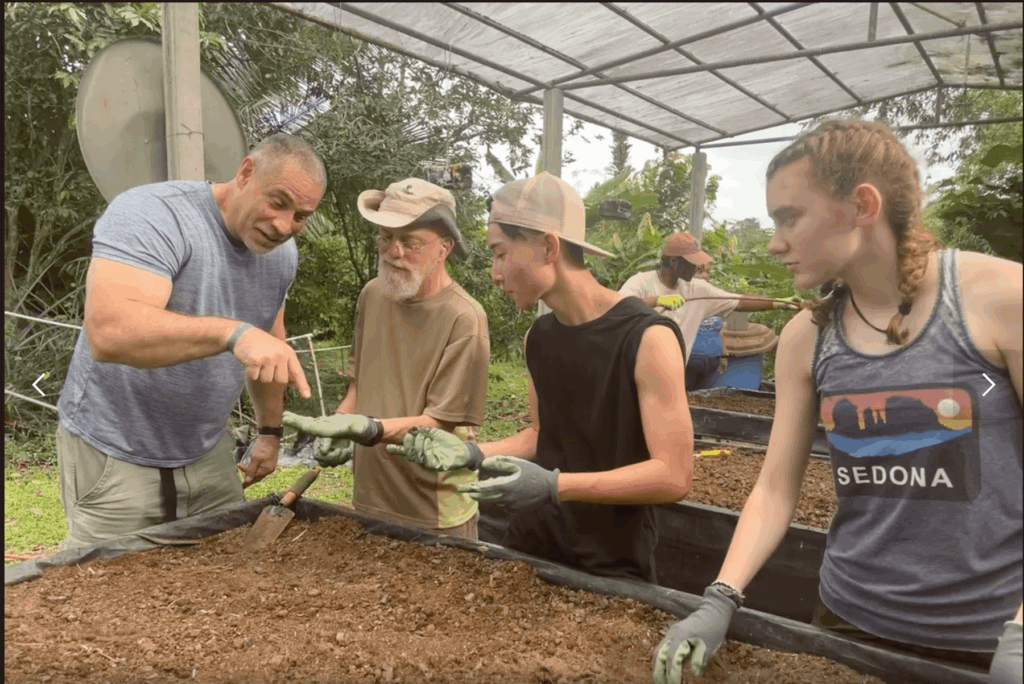
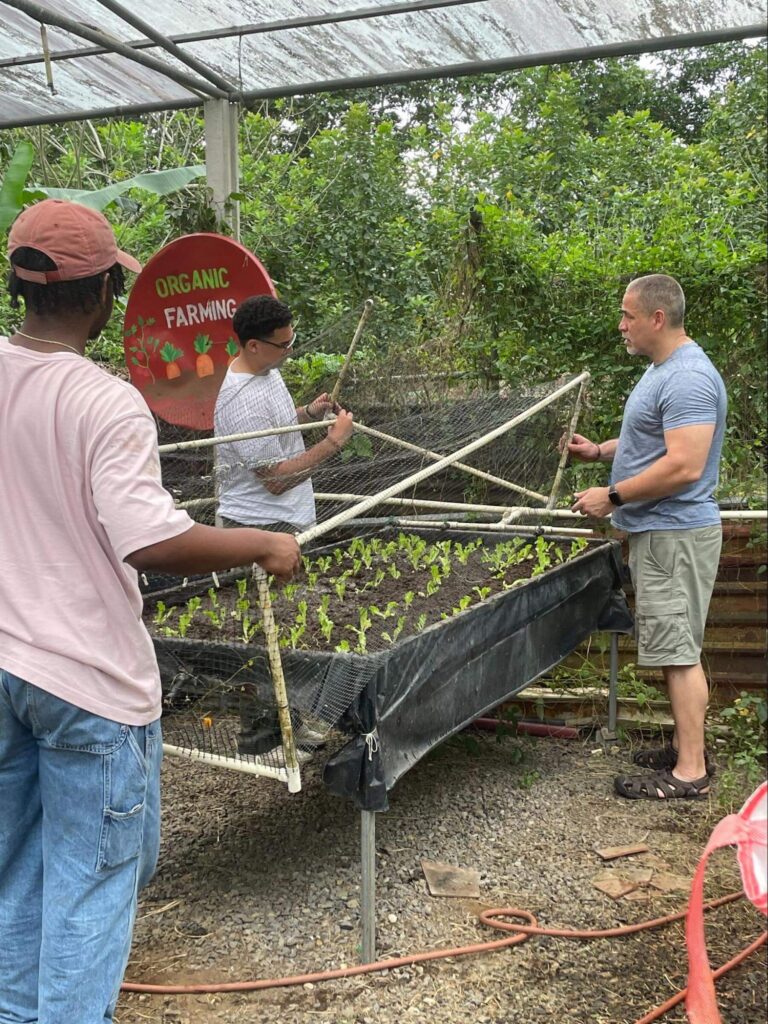
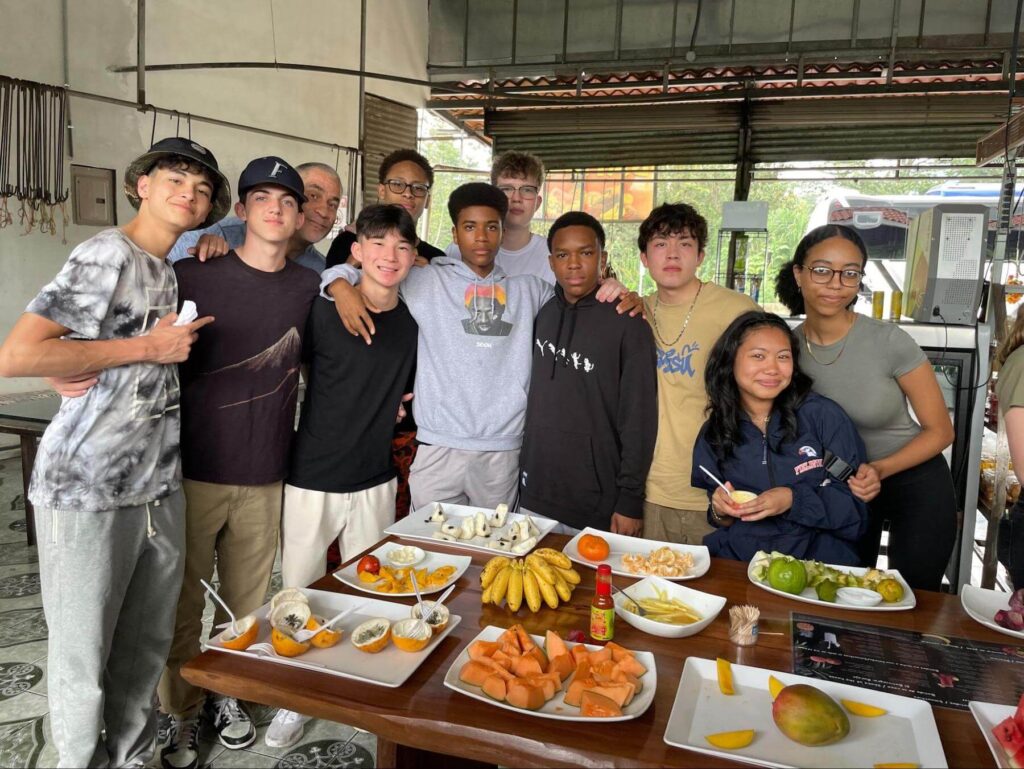
Students also connected with Costa Rican culture by sampling local fruits and meeting the schoolchildren, who shared music and dance with their guests. While a visit to the Arenal waterfall and a canopy tour through the rainforest were key highlights, the chance to leave an impact on a specific community was most rewarding for students.
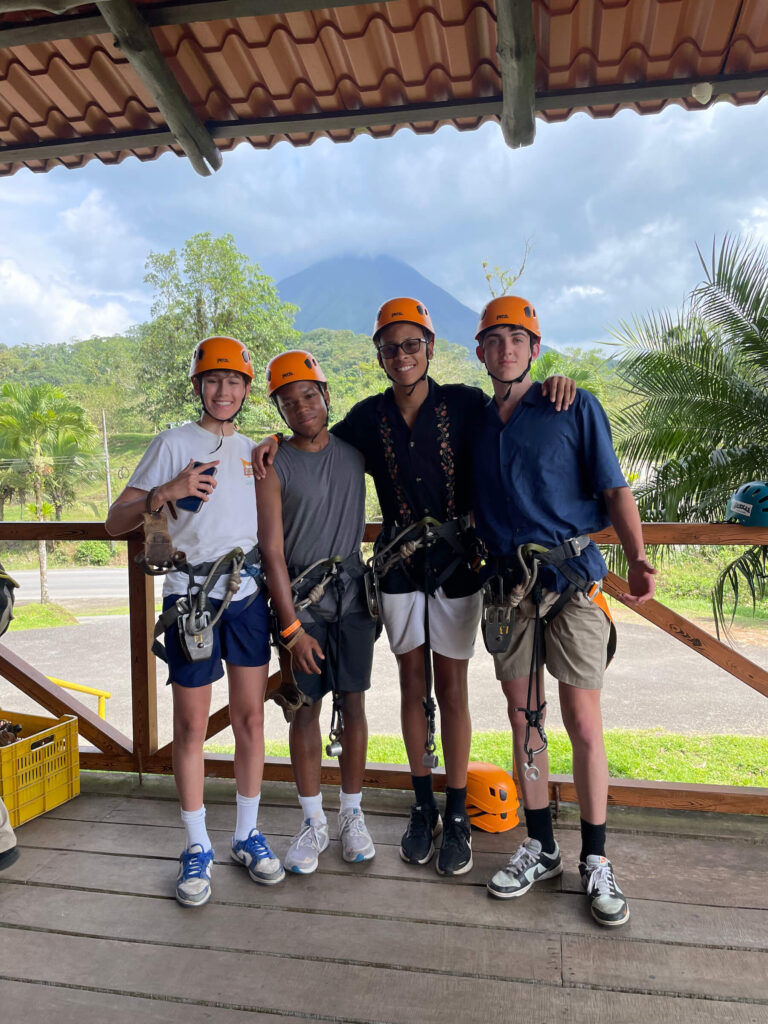
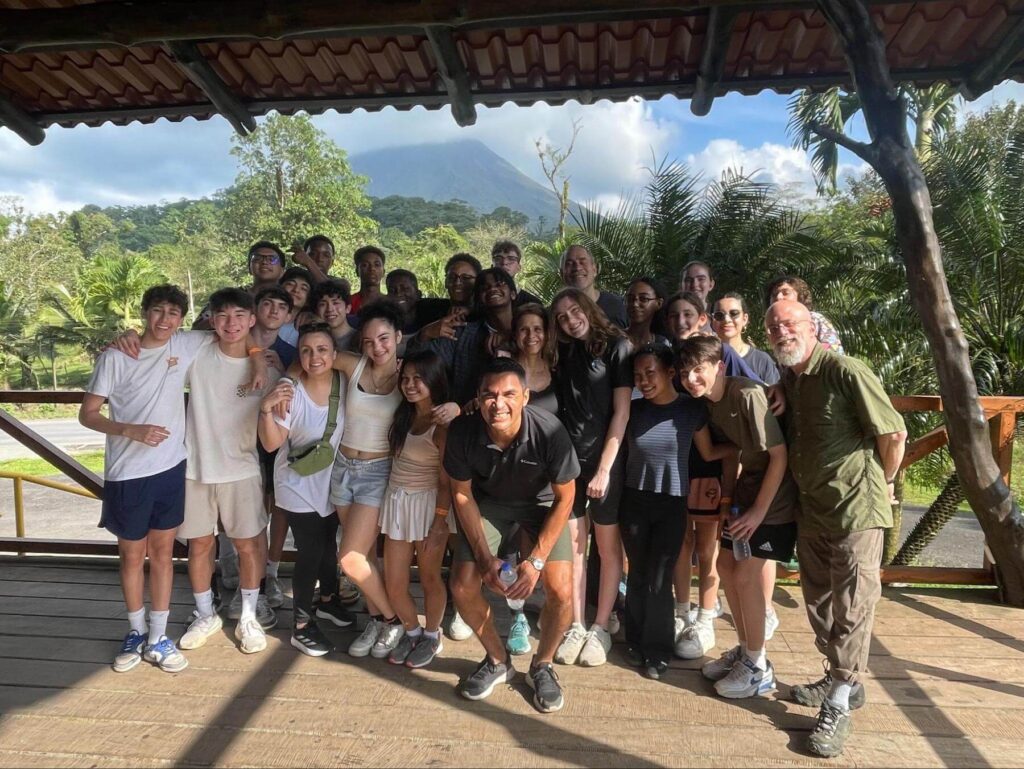
“In the service work completed in Costa Rica, I truly loved seeing everybody come together as a community in order to contribute to projects that are so much larger than ourselves,” says Reanna B. ’25. “This work expanded my perspective about how I see and interact with the world. Seeing Costa Rica from a global and ethical lens made me realize how important it is to value and preserve diverse opinions, history, and traditions.”
“Exposing students to new cultures, languages, and ways of life, especially in unfamiliar settings, encourages them to develop self-reliance and adaptability,” Santana adds.
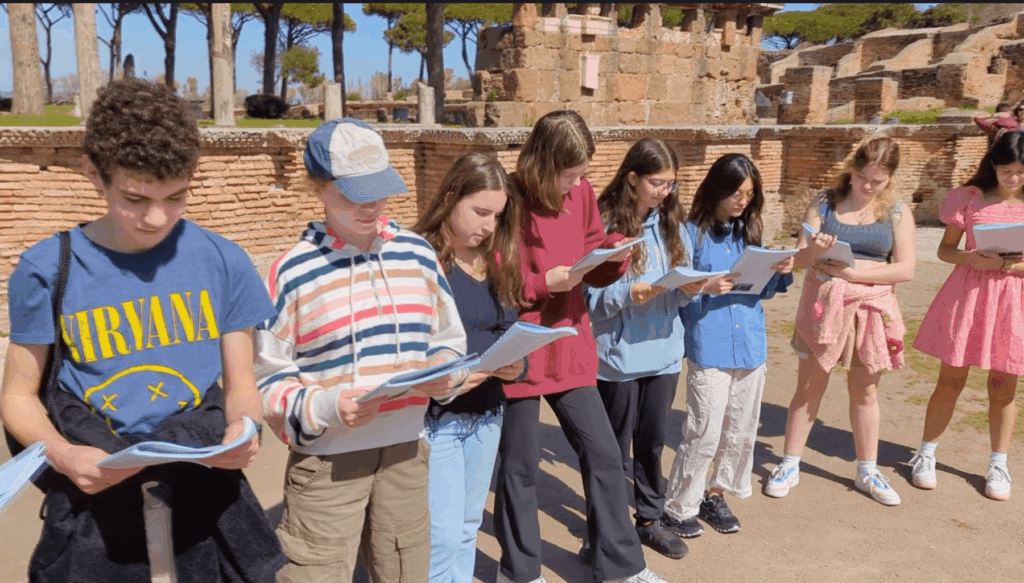
For the 8th–10th Grade Latin students traveling to Rome, recognizing the familiar in a new setting was essential to their experiential experience. Trip leader and Latin Teacher Erik Hanson had assigned students reports on various sites beforehand, allowing them to present on a particular landmark, piece of art, or object when the group reached beacons such as the Colosseum, Circus Maximus, Ostia Antica, and more.
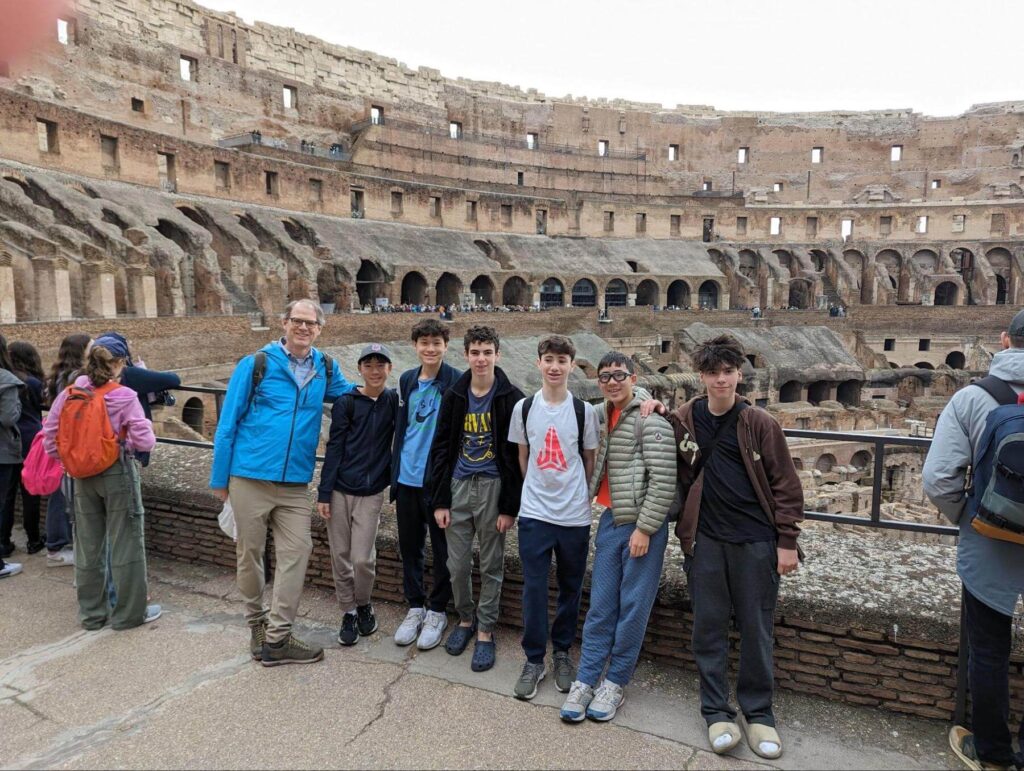
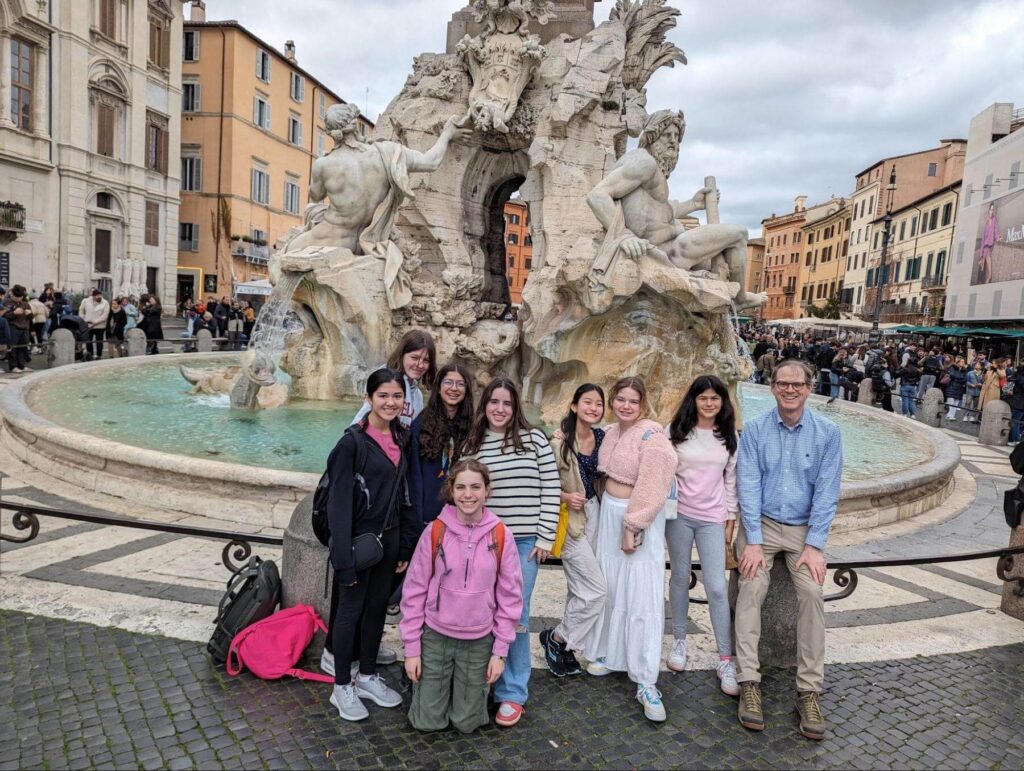
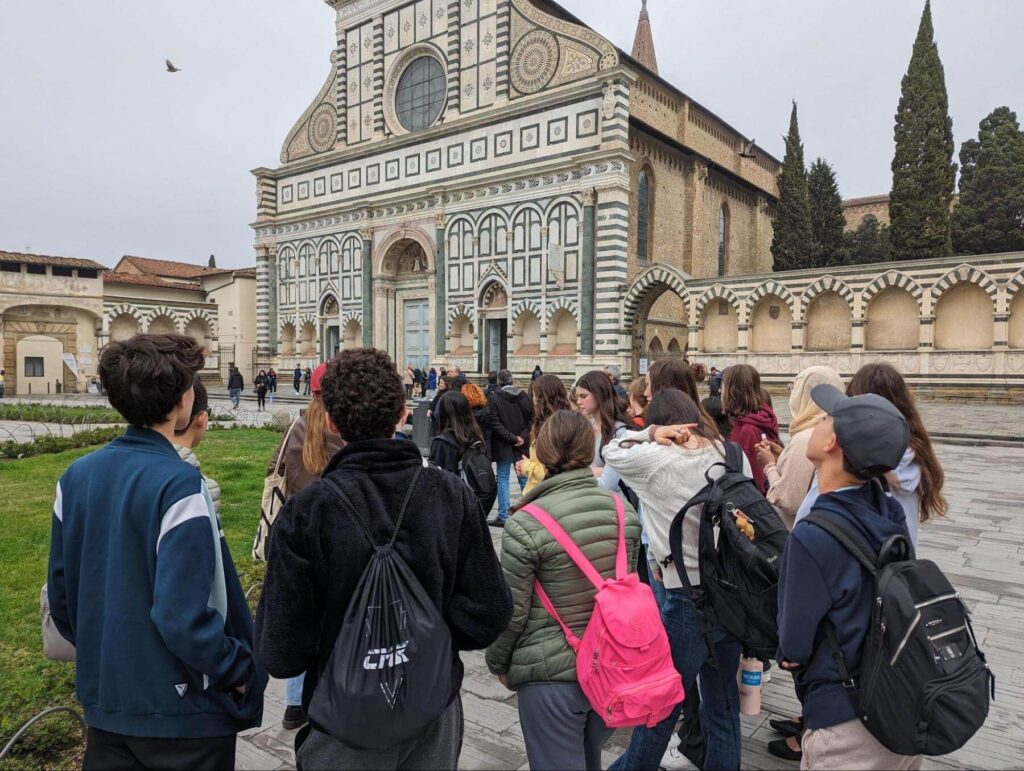
“It was wonderful to see students take ownership of their learning in this way, and the extent to which students supported one another while presenting was inspiring,” Hanson says.
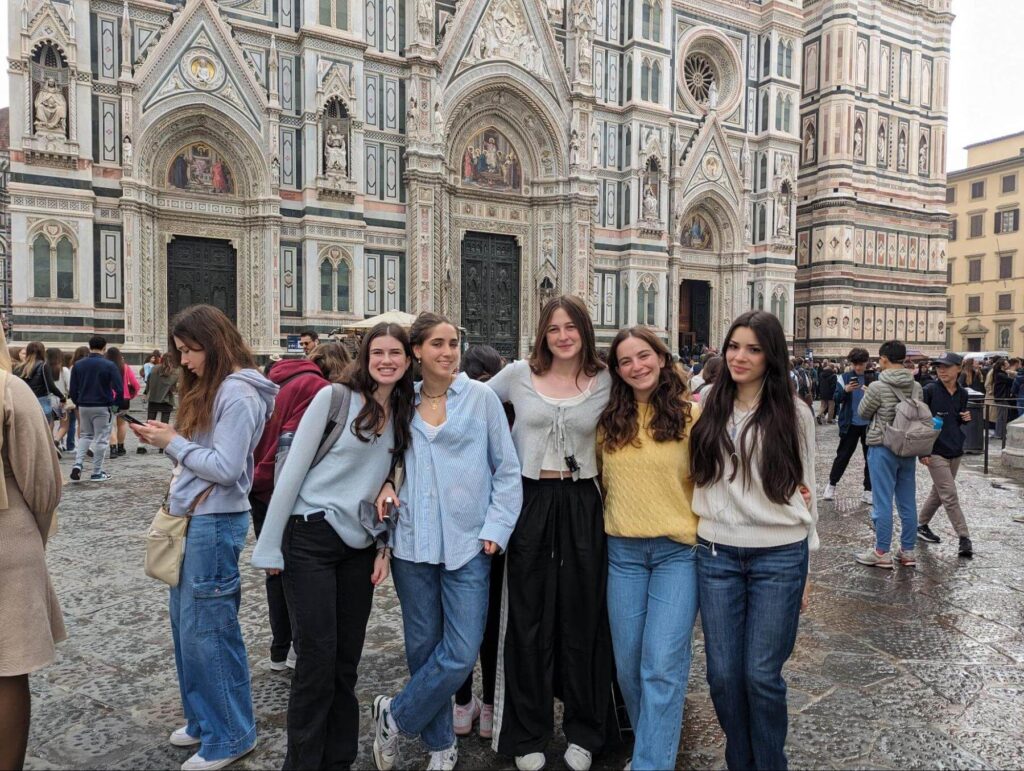
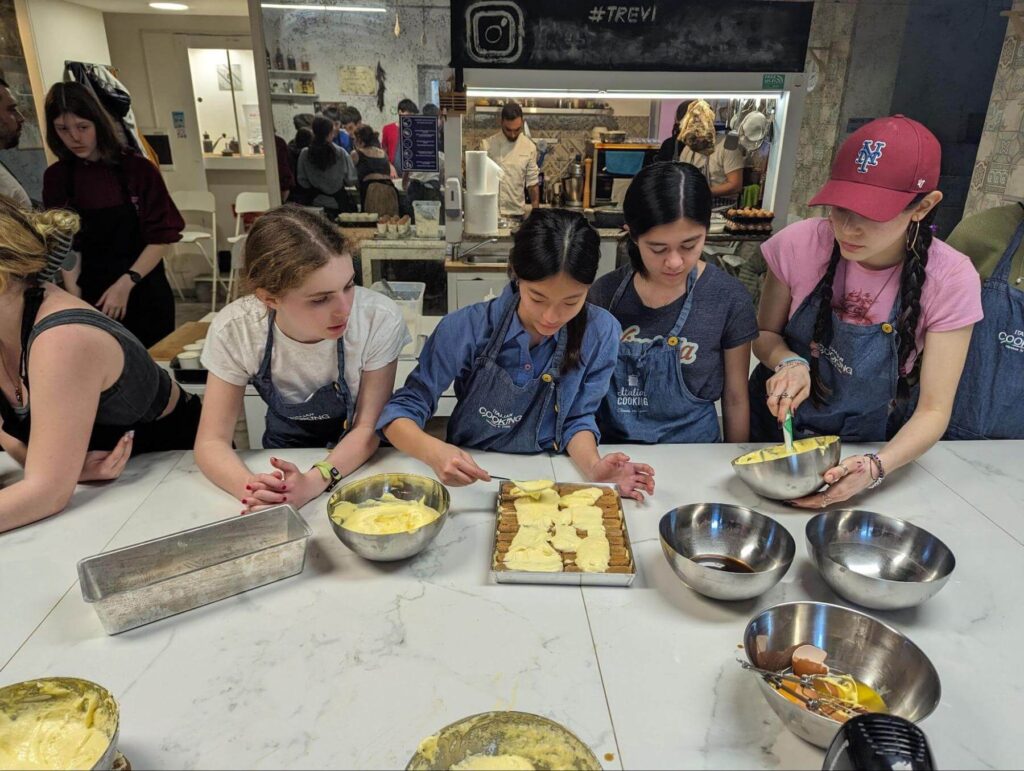
The group also ventured to Florence for a day trip, visiting Il Duomo and the Uffizi galleries. Back in Rome, a week of enjoying local delicacies culminated with a cooking class.
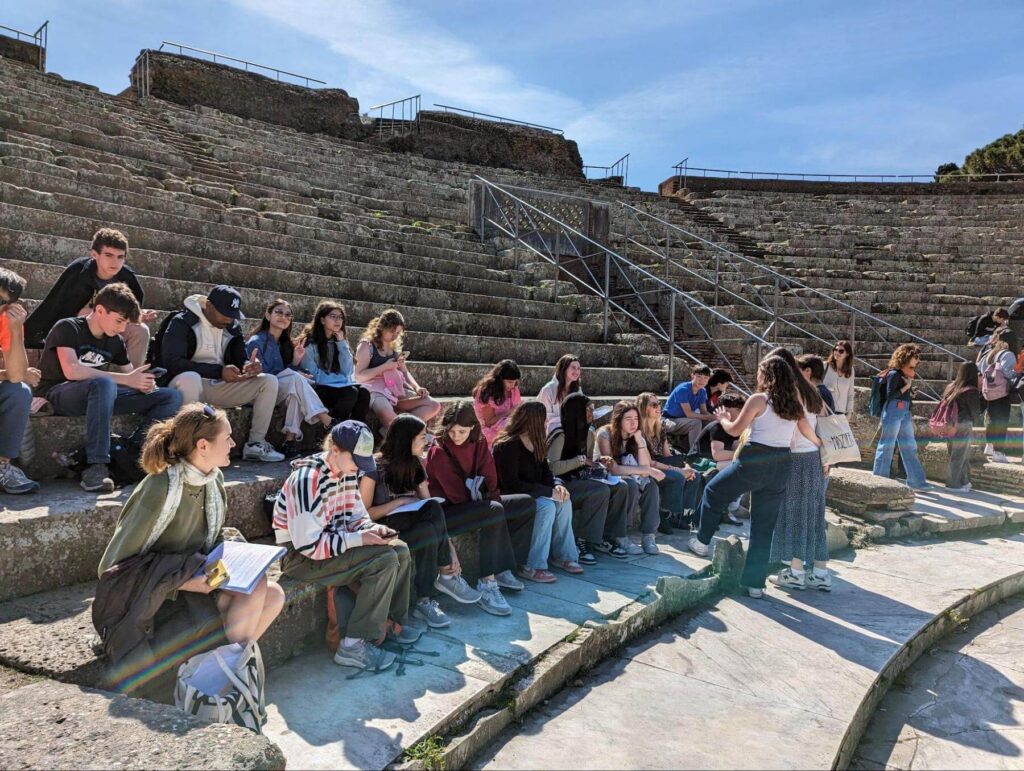
“This trip was an incredible experience, bridging the gap between classroom learning and the historical sites in Rome,” Lilah G. ’26 shares. “It was not only exciting to apply my Latin skills and knowledge of Ancient Rome outside of the classroom but also a unique moment that put all my learning into perspective. As students, it’s crucial to embrace hands-on experiences like this because classroom learning can only take us so far.”
“I didn’t want to come home!” adds Luca M. ’28.
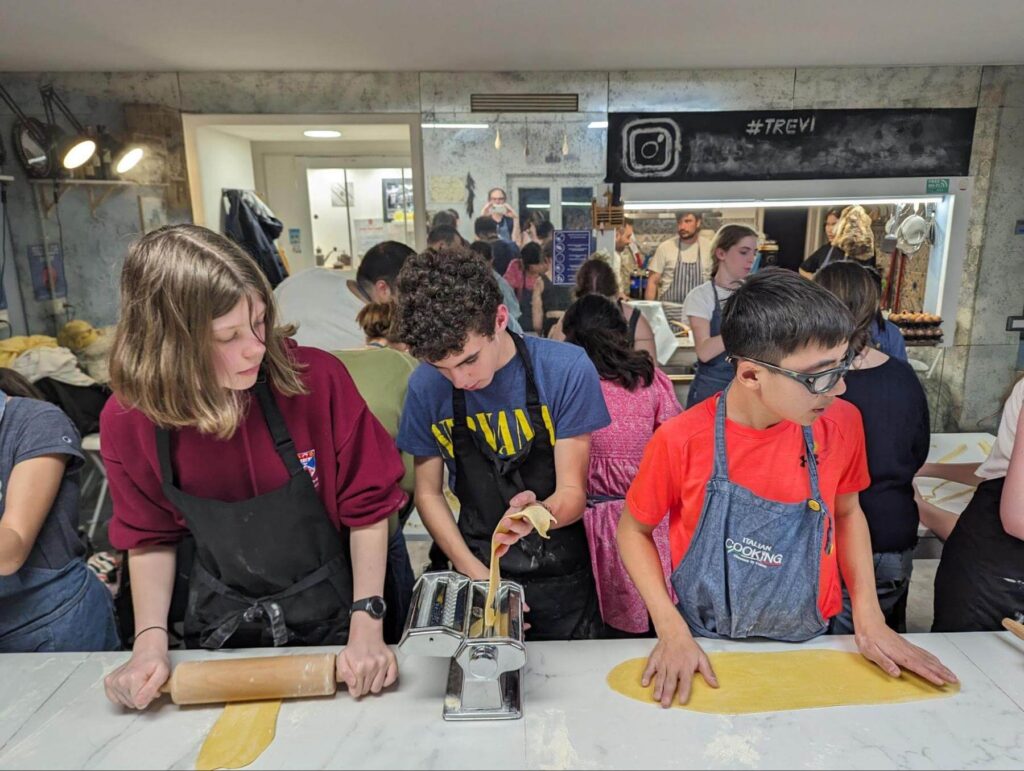
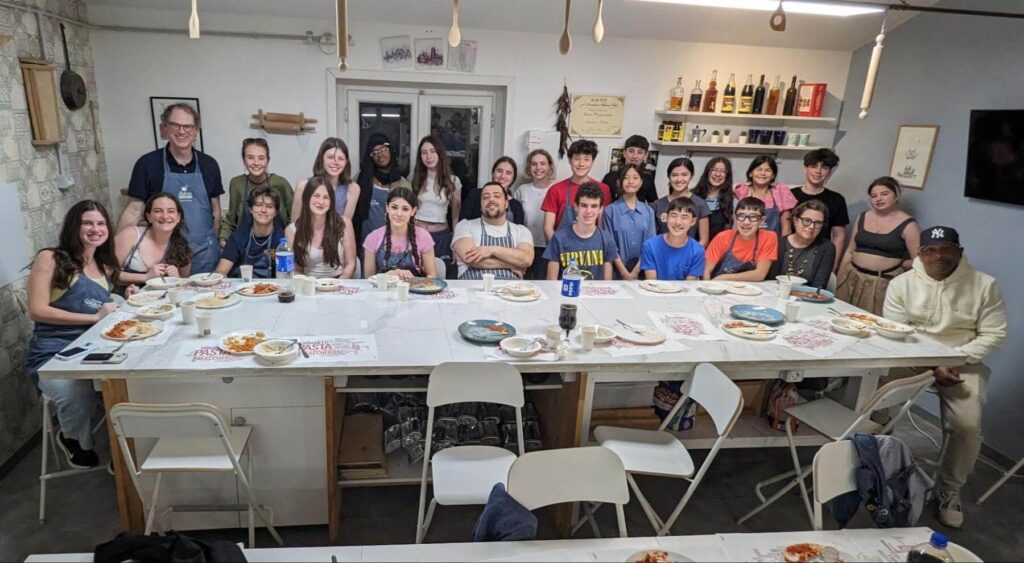
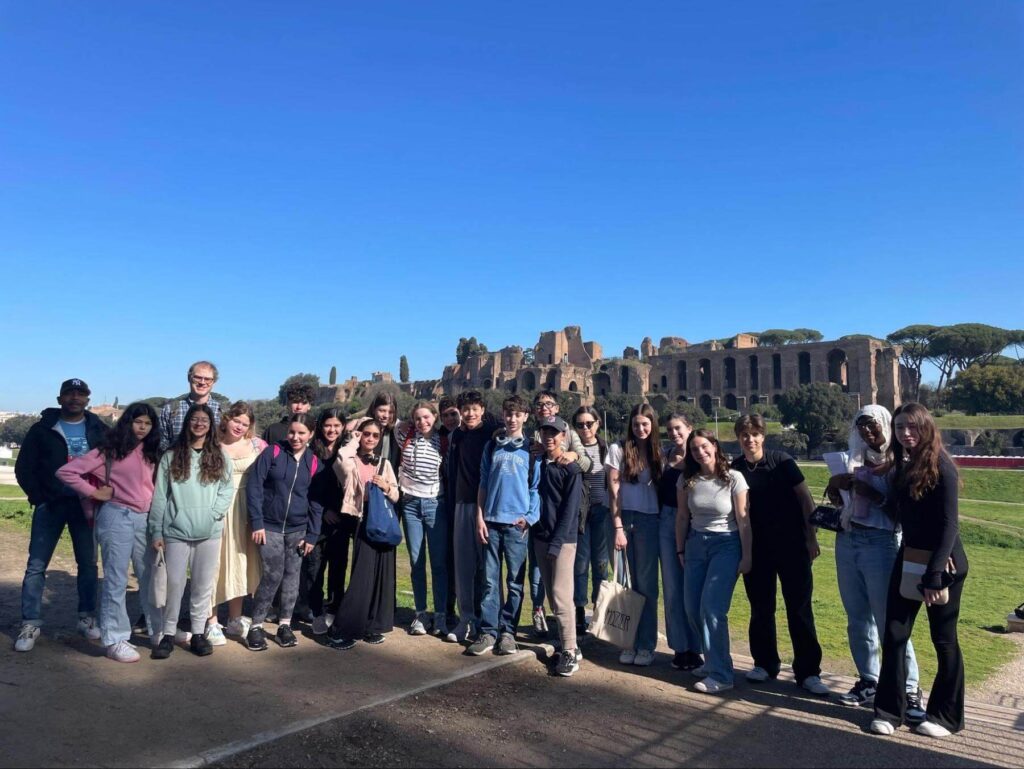
“The truth is that in many ways, being in Rome is not that different from being in New York,” Hanson says. “Still, it is different, and it’s far from home, so one thing I hope students take away from the trip is the confidence that they can plan and execute their own trips in the future, that they become better, more worldly, and well rounded people for those experiences, and how to engage authentically with sites they visit.”
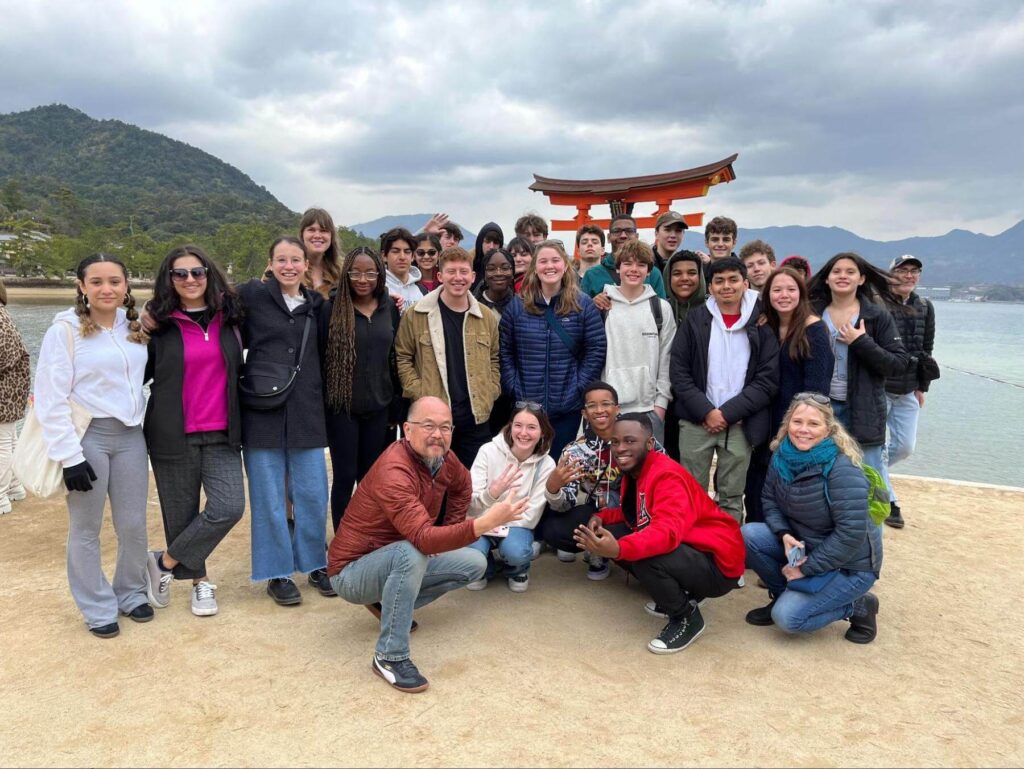
In Japan, Fieldston Upper students experienced a balance of historical and cultural highlights, from visiting the Toyokuni Shrine dedicated to the second unifier of Japan to enjoying a traditional Japanese confectionery store and participating in a tea ceremony. Other stops included UNESCO World Heritage sites like Kiyomizu-dera, Ryoanji, and the Temple of the Golden Pavilion.
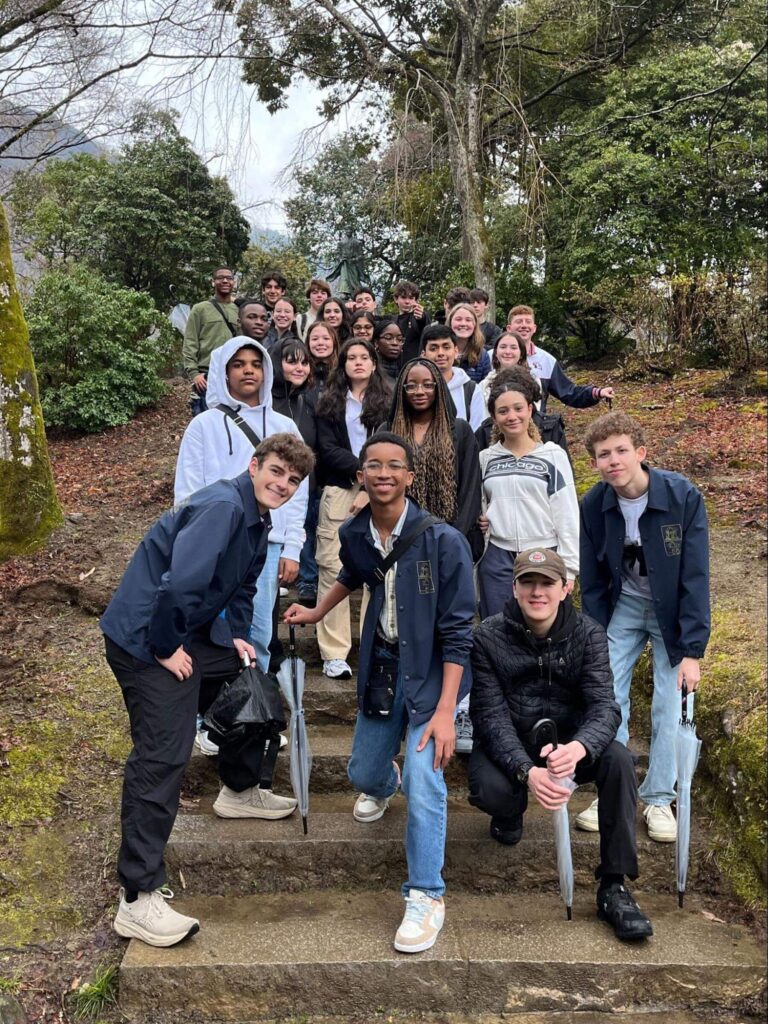
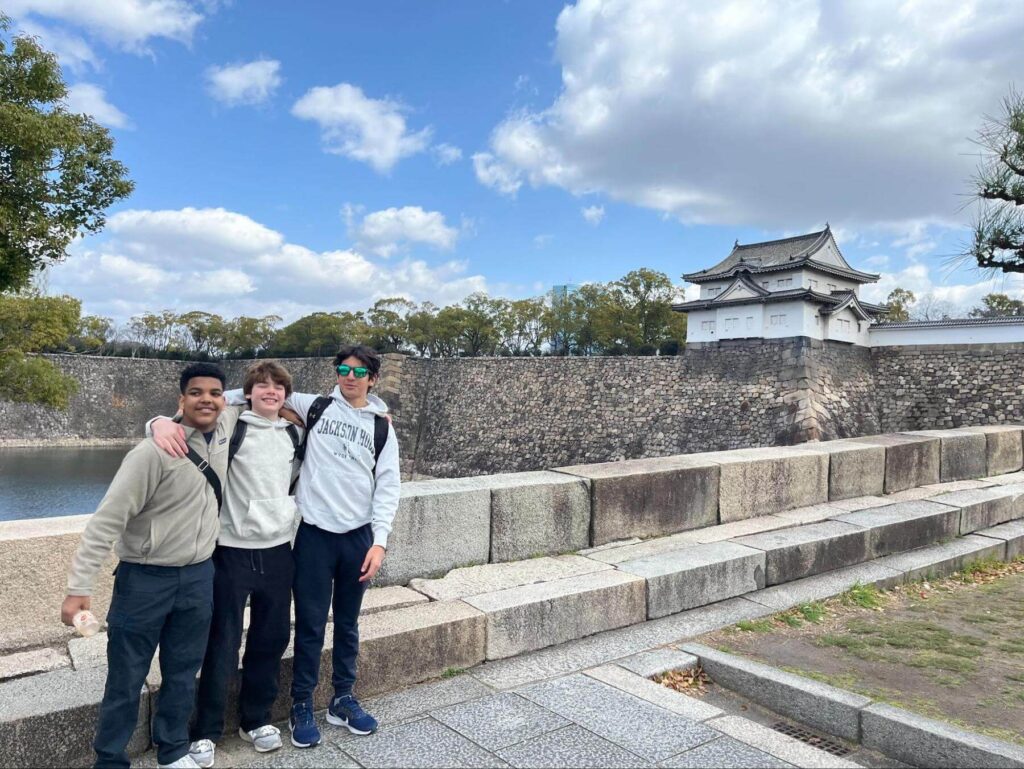
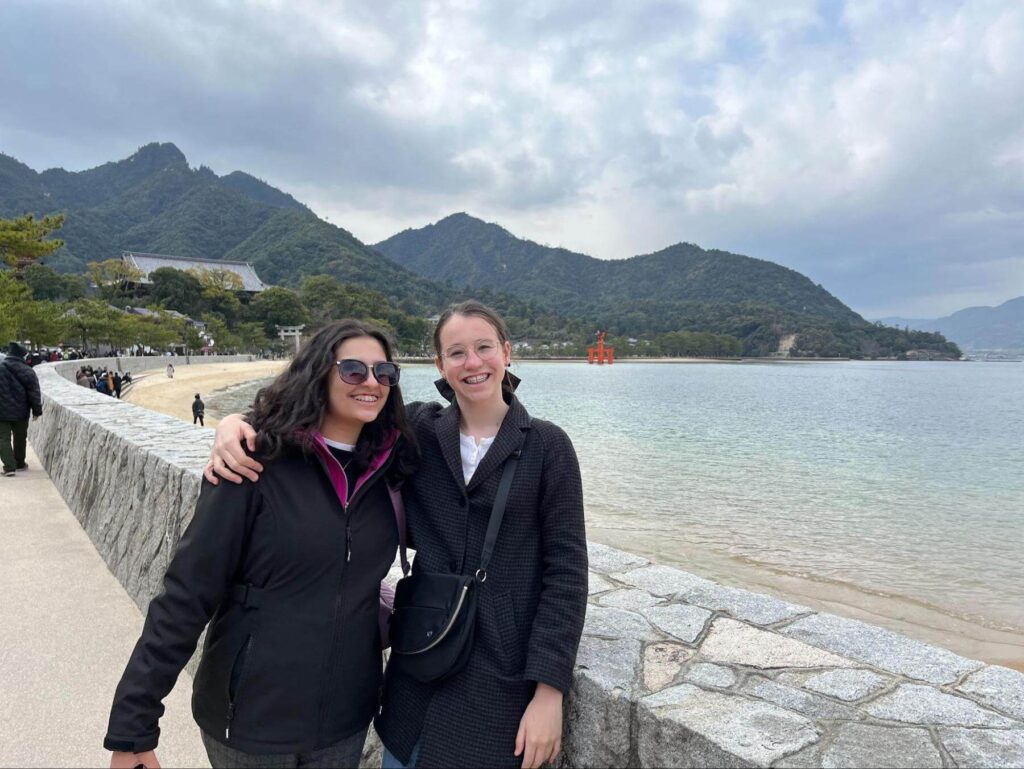
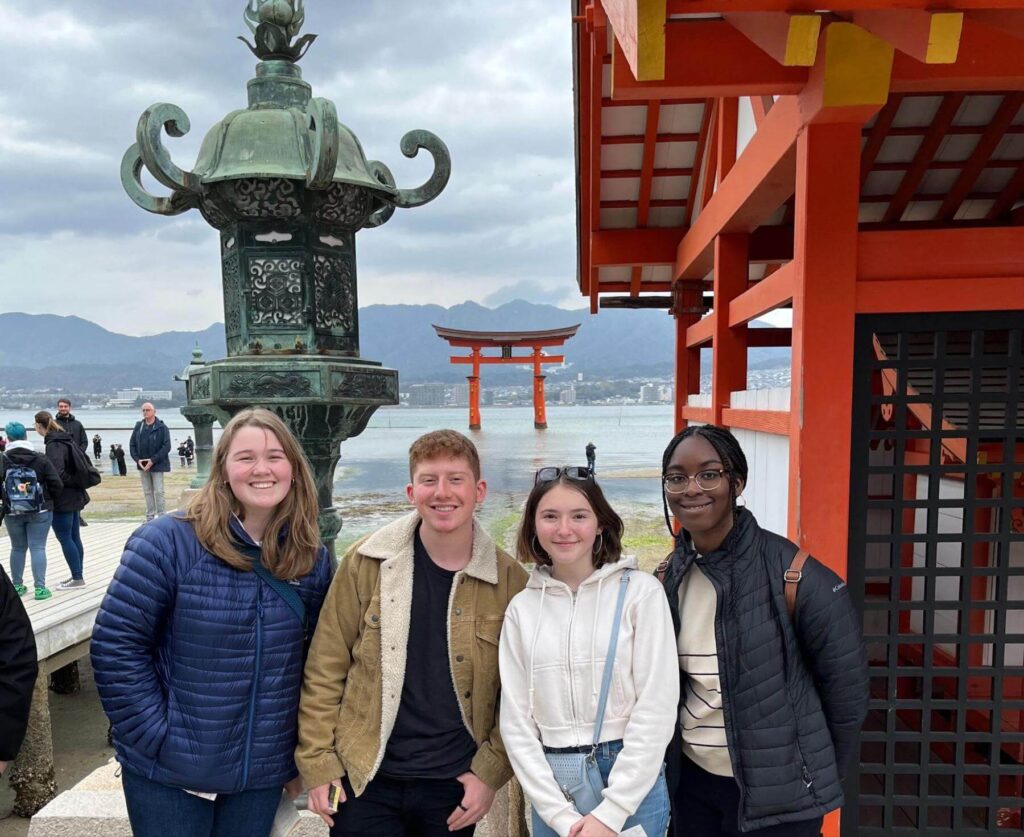
Amidst the fun of watching a sumo tournament and riding a bullet train, students also walked through the Peace Memorial in Hiroshima, considering facts and debates touched upon in their history and ethics classes. “One of the most meaningful experiences was making paper cranes for the Hiroshima Children’s Peace Monument,” says Sophia A. ’27. “We learned about Sadako Sasaki, a 12-year-old girl who died of leukemia contracted by radiation from the atomic bomb dropped by the United States at the end of World War II. After Sadako heard the saying, “A thousand paper cranes will make your dreams come true,” she set out to make them to try to save herself. After her death, the children’s monument was built to commemorate her life and the lives of all the other children lost in the bombing of Hiroshima. Our origami creations joined hundreds of others at the monument in a sobering but important moment.”
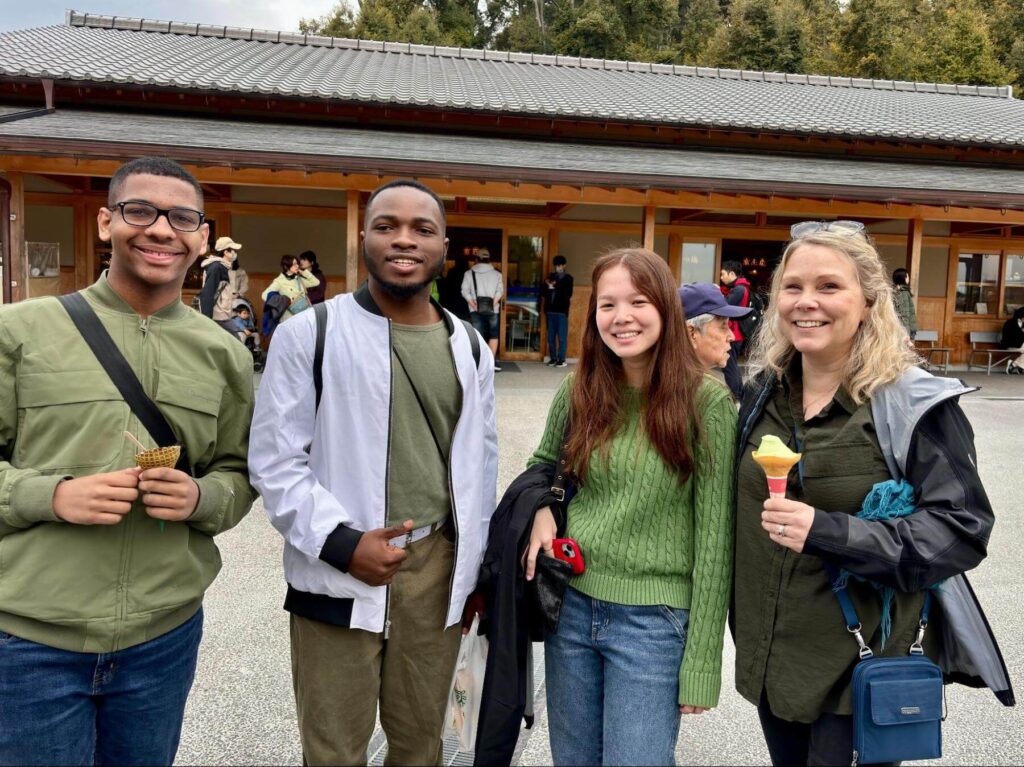
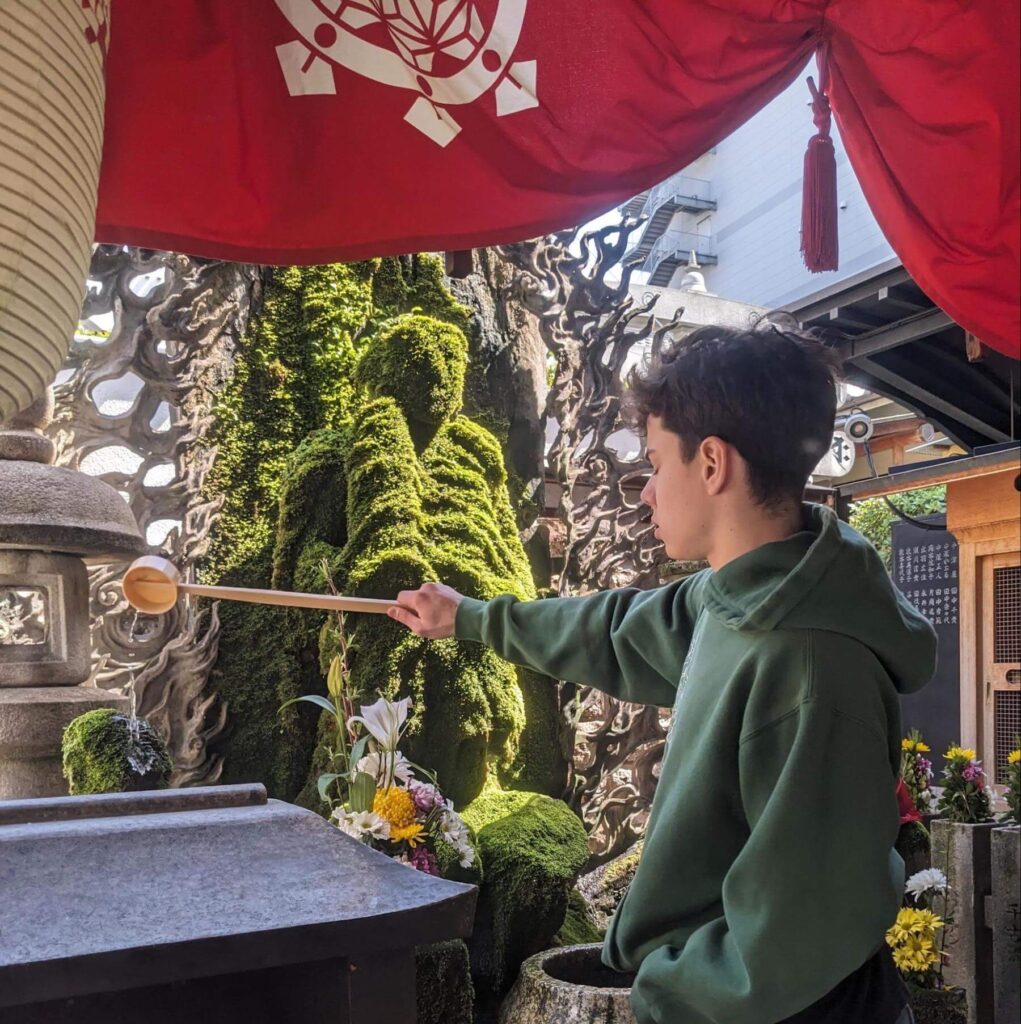
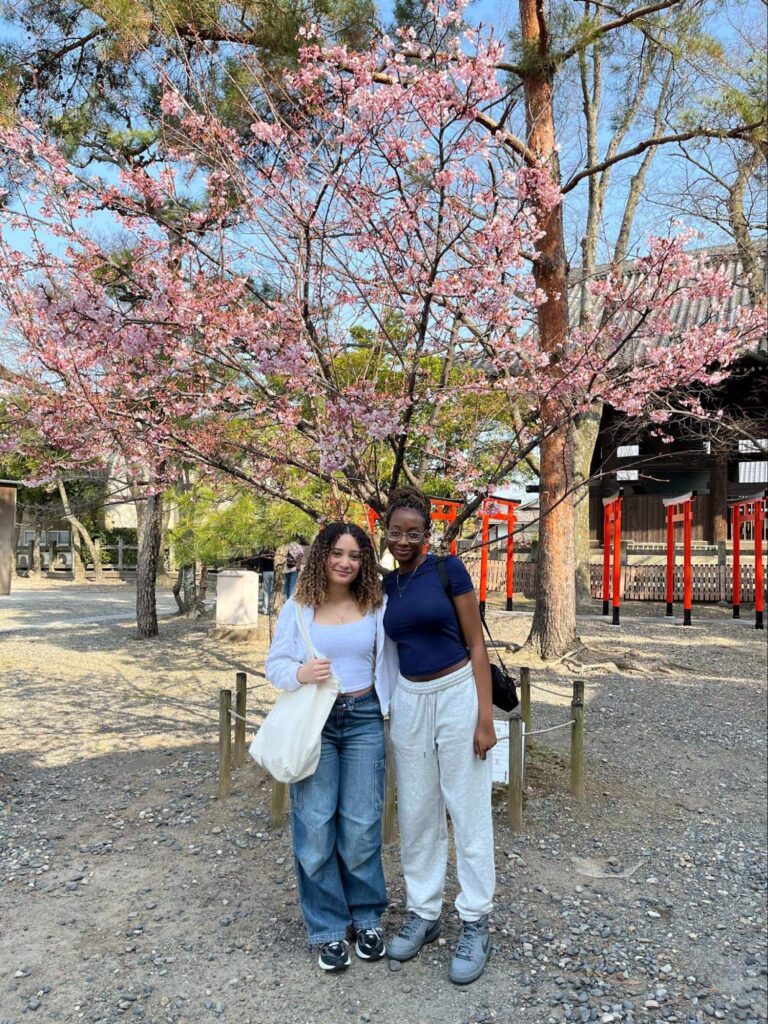
“I am really grateful for the opportunity to spend time immersed in a culture while doing amazing activities like the tea ceremony and judo-flipping,” Sophia adds.
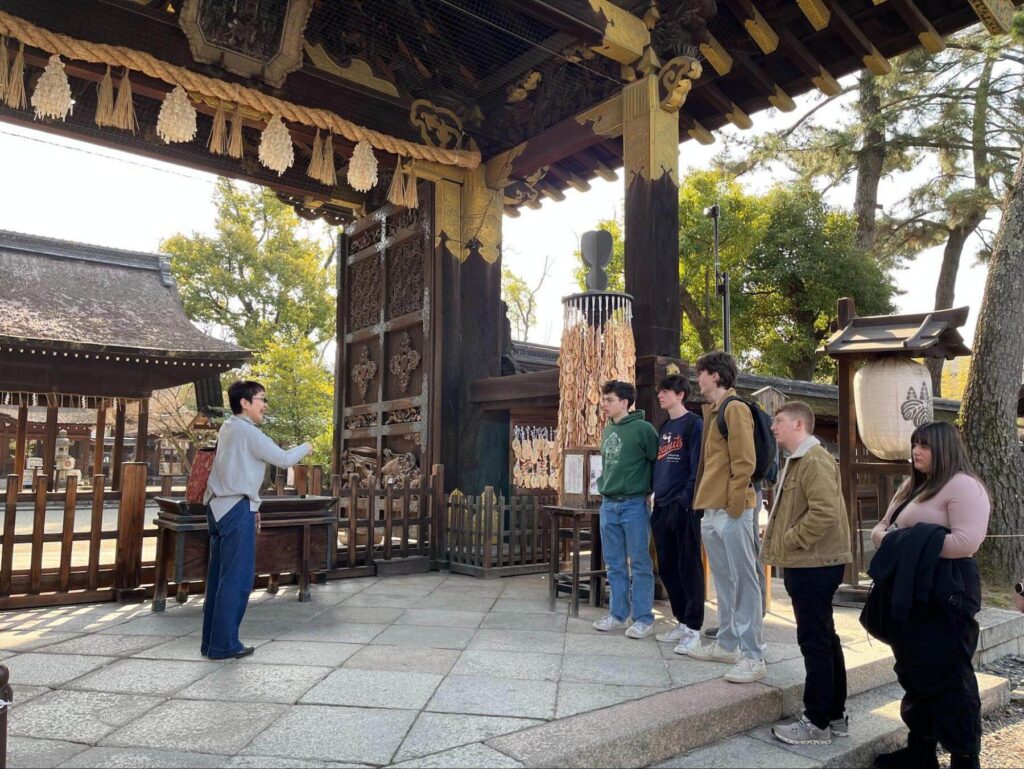
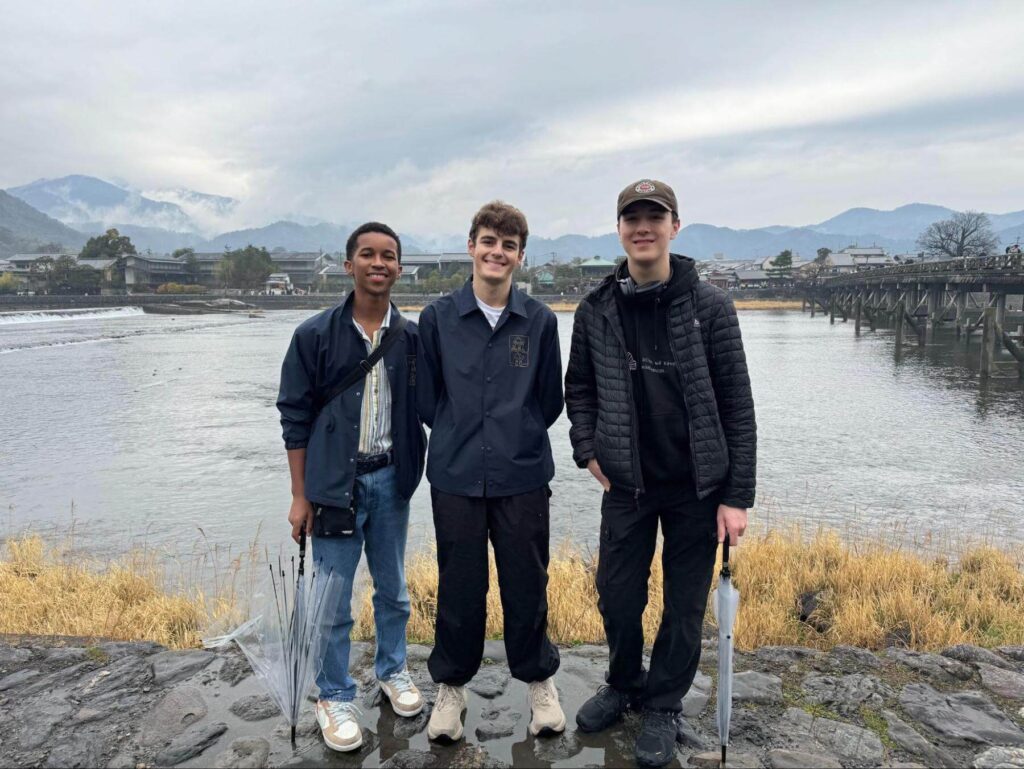
Whether it’s seeing their history lessons come to life or contributing to a greater cause, time abroad teaches students the value of nourishing connections and celebrating differences across the globe.