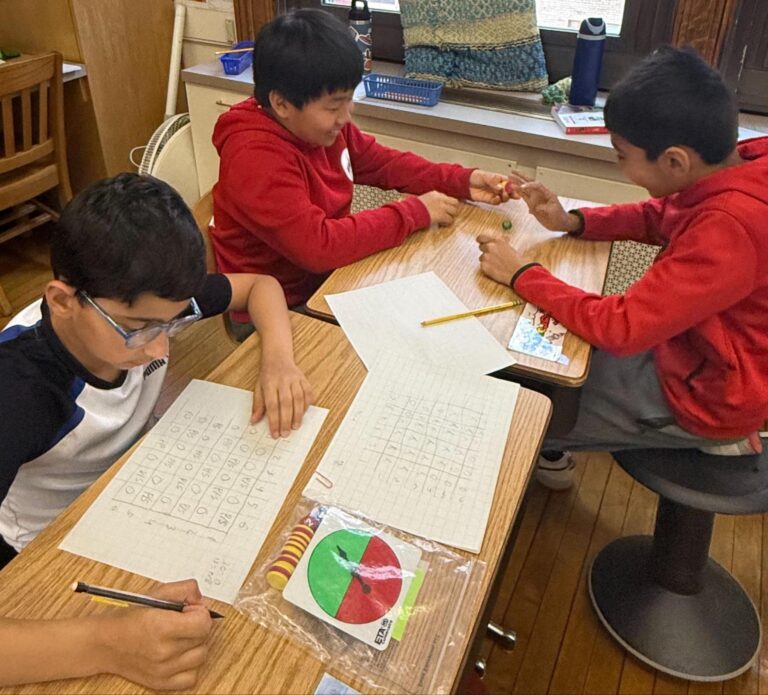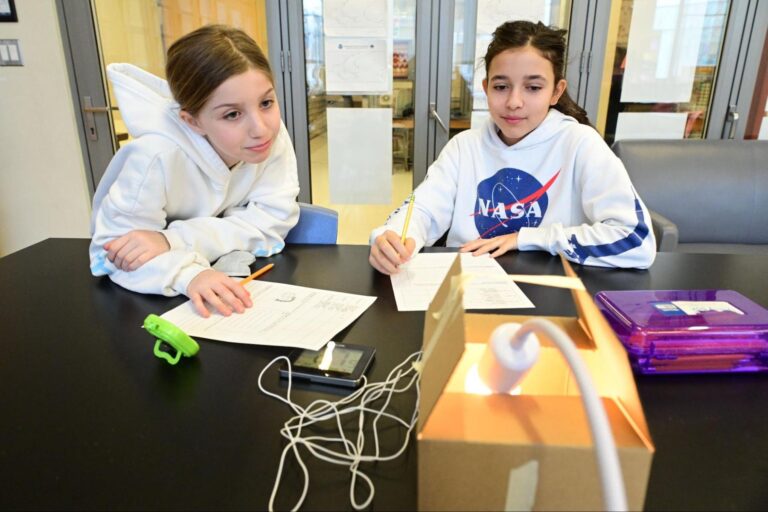
Ethical Culture recently implemented new programming for 4th and 5th Grade students that has been celebrated for its approach to addressing the complexities of social dynamics among young people. Created in collaboration with both students and educators using the latest research in social emotional learning, author Rosalind Wiseman’s “Owning Up” curriculum reinforces the importance of healthy relationship building, guides students through the intricate terrain of social interactions, discusses the influence of social media, and empowers students to take action for change.
Leading up to the academic year, the faculty, Student Support and Wellness Office, and members of the administrative teams, including counselor Margot Tenenbaum and Assistant Principal for Student Life Dr. Erik Landgren, collaborated to infuse the “Owning Up” formula into the existing curricula.
At its core, “Owning Up” seeks to equip students with the tools needed to navigate the often choppy waters of adolescence. With an emphasis on creating a culture of respect and understanding, the curriculum aims to help students at a point in their development when friendships become an increasingly important source of social connections, and students need to practice communicating about challenging issues and strong feelings, especially when they differ from a peer.
One of the social-emotional gaps that Landgren perceived in the wake of the COVID-19 pandemic was students’ capacity for listening. The program’s key elements seek to close these gaps: teaching about self-awareness, personal accountability, compassion, and empathy and empowering students to become active participants in creating a positive and inclusive social environment at school.
“Owning Up provides us with a way to help our students add tools to their toolbox that they can go back to time and again when challenging social dynamics come up,” says Landgren.
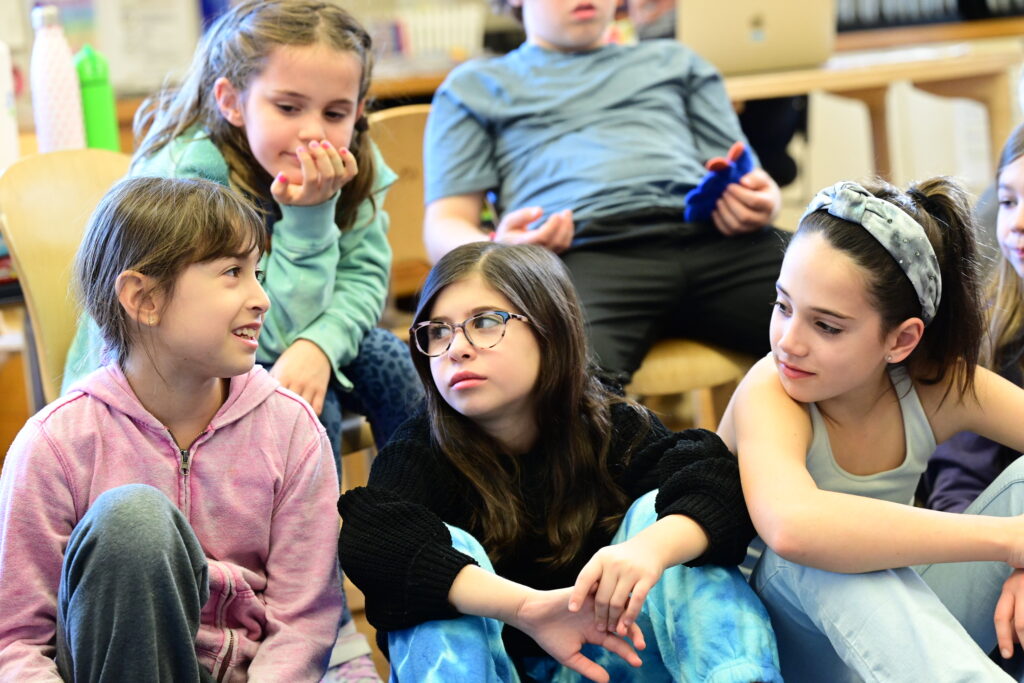
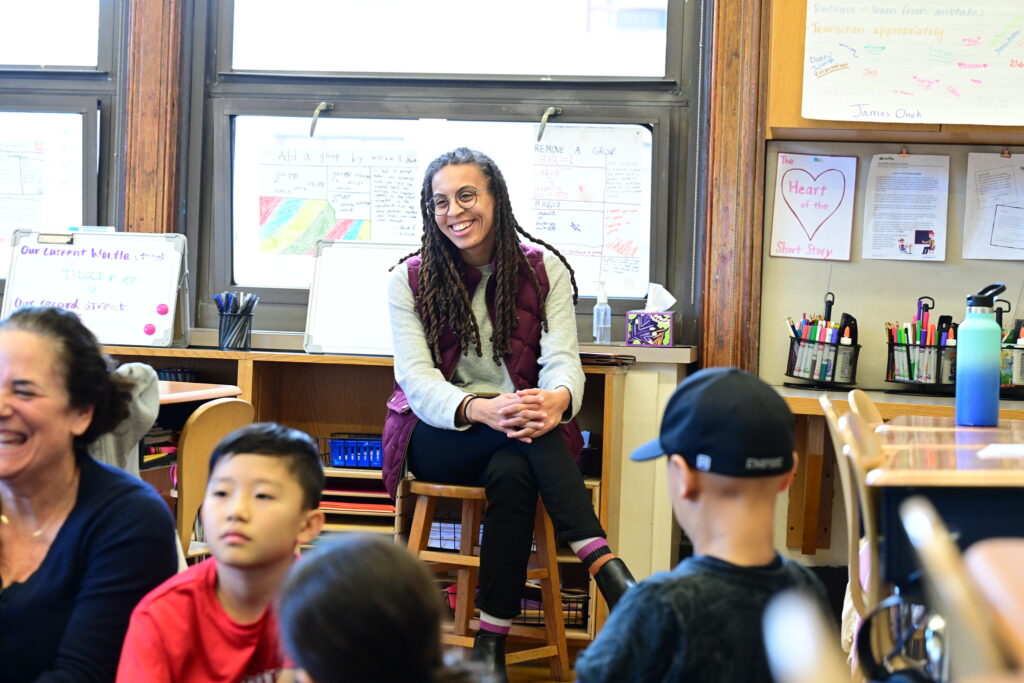
Wiseman’s curriculum goes beyond the surface, delving into the intricacies of social dynamics specific to 4th and 5th Graders – a time when, developmentally, students are becoming more conscious of others’ opinions and may need support in understanding multiple perspectives.
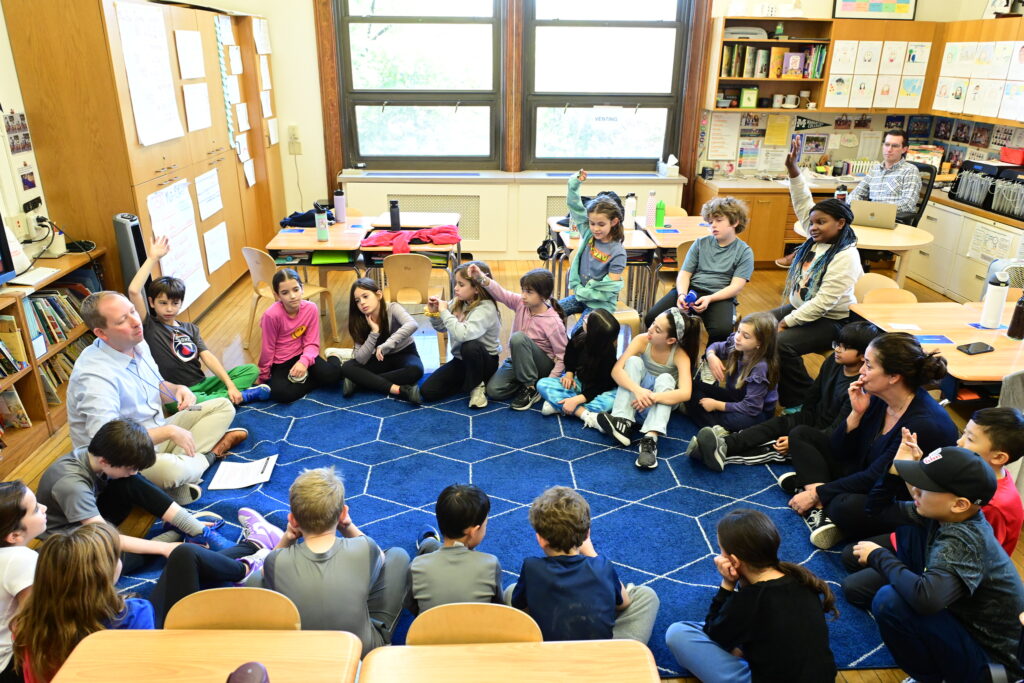
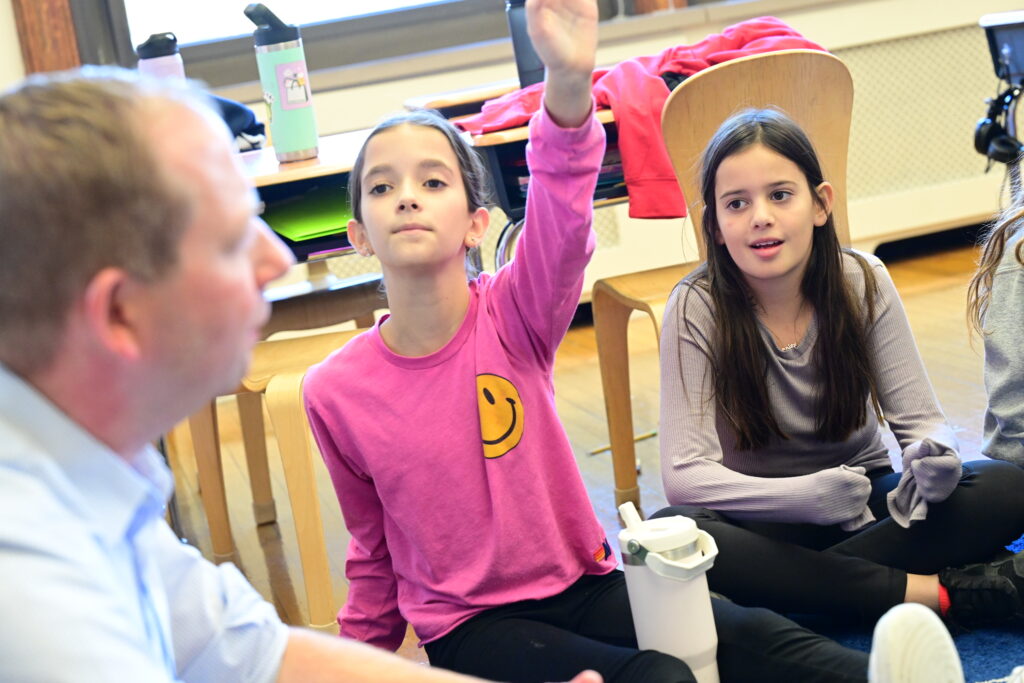
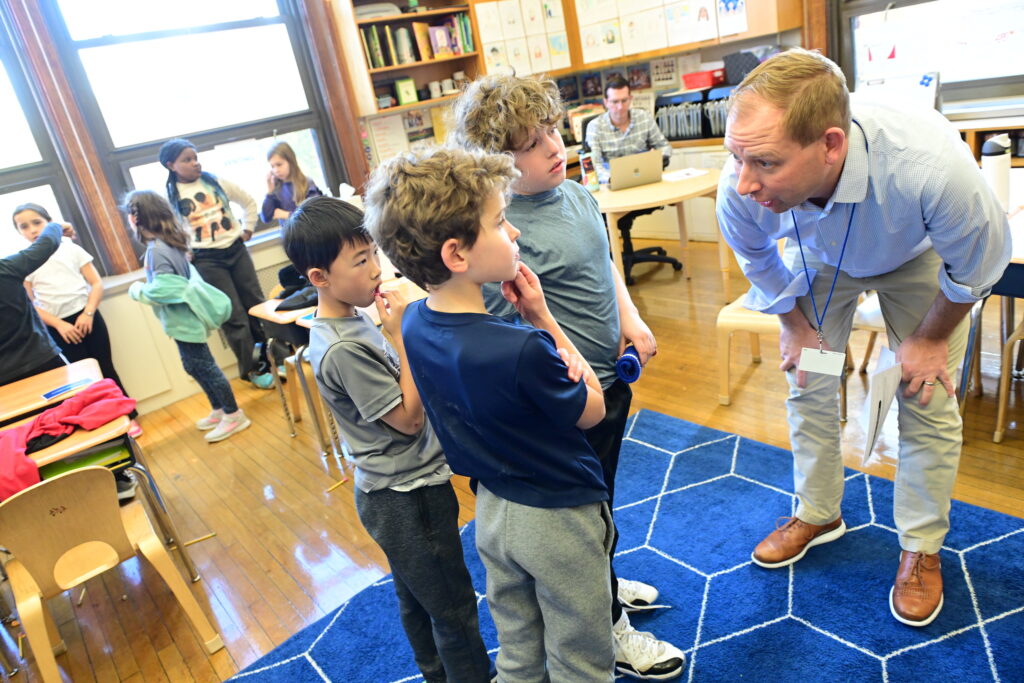
The real strength of “Owning Up” is perhaps best exemplified by its ability to spark meaningful conversations. During a lesson earlier this year, students talked about humor and teasing, including the difference between “good teasing,” which could be a result of two friends having fun, and “annoying teasing,” or even “hurtful teasing,” which could be harmful to one or even both parties.
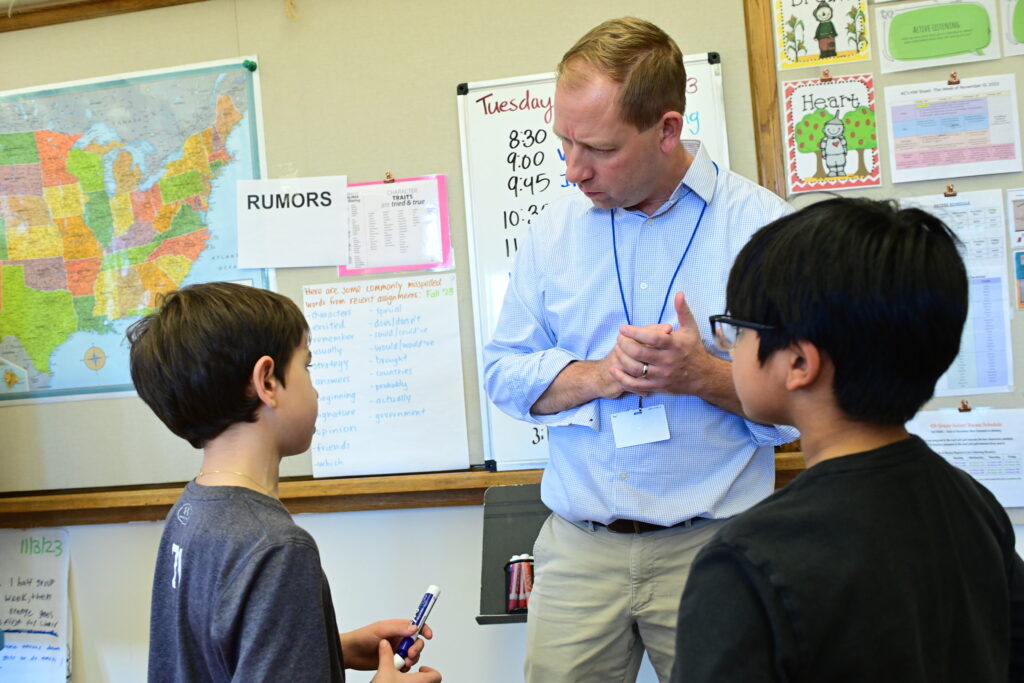
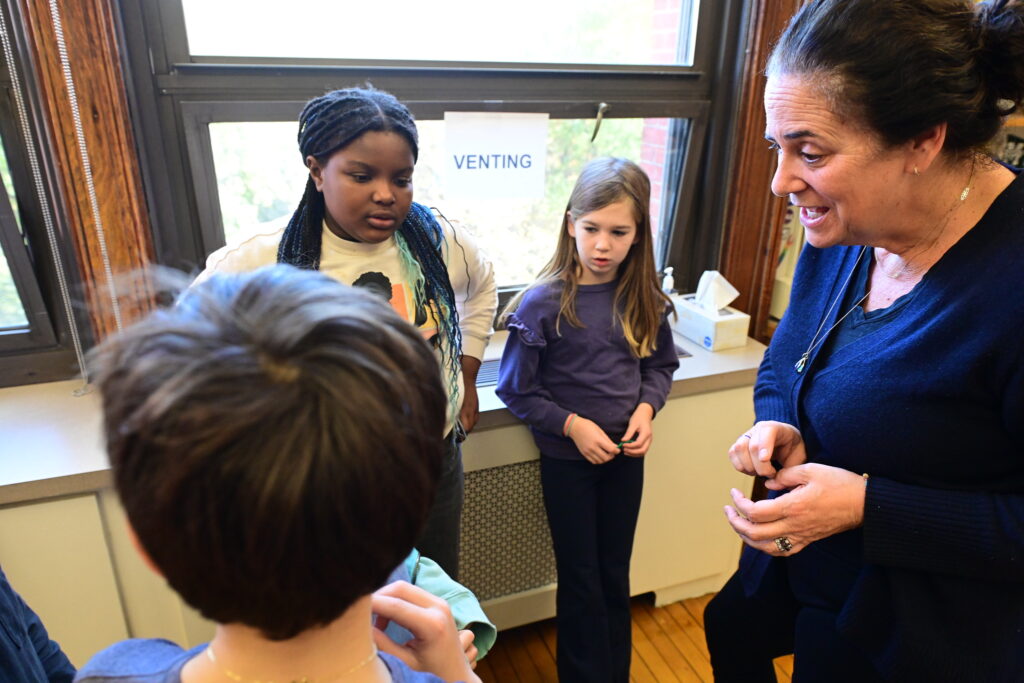
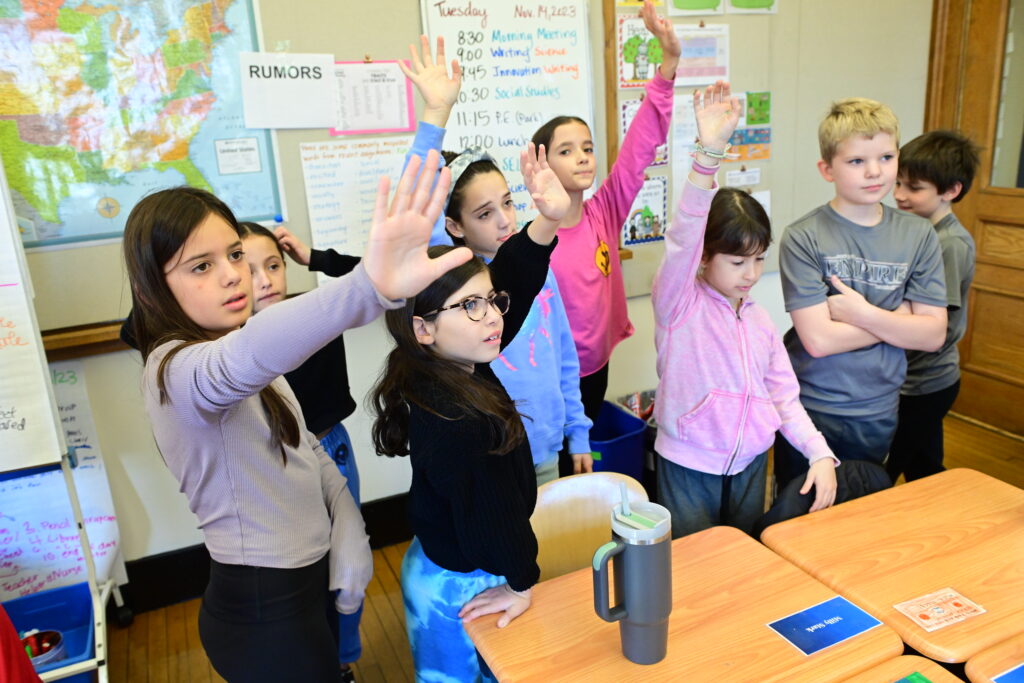
A group of 4th Grade students also learned more about rumors and gossip. After sharing their initial thoughts about terms like gossip, rumors, and venting, students thoughtfully engaged in questions such as, why might somebody need to vent? How do we prevent venting from becoming gossip? What does it mean to be a good friend?
Next, Landgren and Tenenbaum read aloud real-life examples for the students to decide whether they should be categorized as “spreading rumors” or “venting.” One example stated, “There is a student you play with at recess, and you notice that sometimes they cheat. You are talking about it with another friend.”
Providing a safe space for students to express their thoughts and feelings fostered an atmosphere of trust and understanding, allowing students to open up and engage in honest dialogue.
“It is so important for us to provide these opportunities for our students to think critically and honestly about friendships and dynamics around communication. We can really zoom in on what’s on their minds and help them process the ups and downs of growing up,” says Tenenbaum.
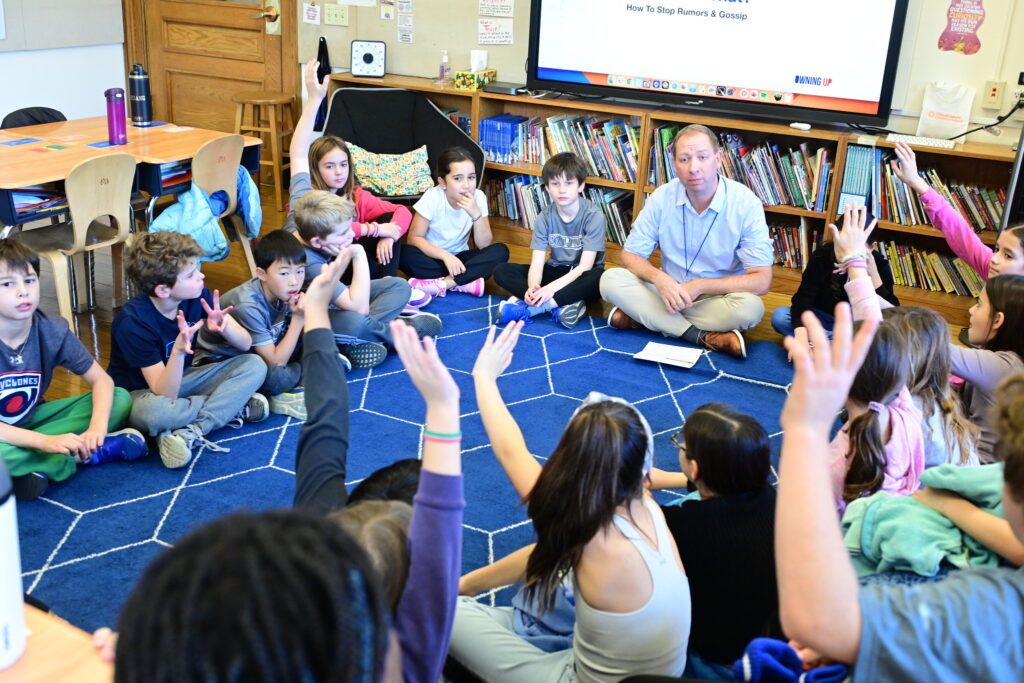
Other topics that students explore include understanding anger, apologies, navigating friend groups, kidding, and, of course, listening to one another.
A future hope is that the new “Owning Up” curriculum, combined with our faculty’s innovative approach to social-emotional learning, will become a staple in shaping the relational well-being of ECFS students. While witnessing the positive impact of “Owning Up,” we are reminded that fostering emotional intelligence is not just an educational goal but a societal responsibility for a healthier generation of learners.