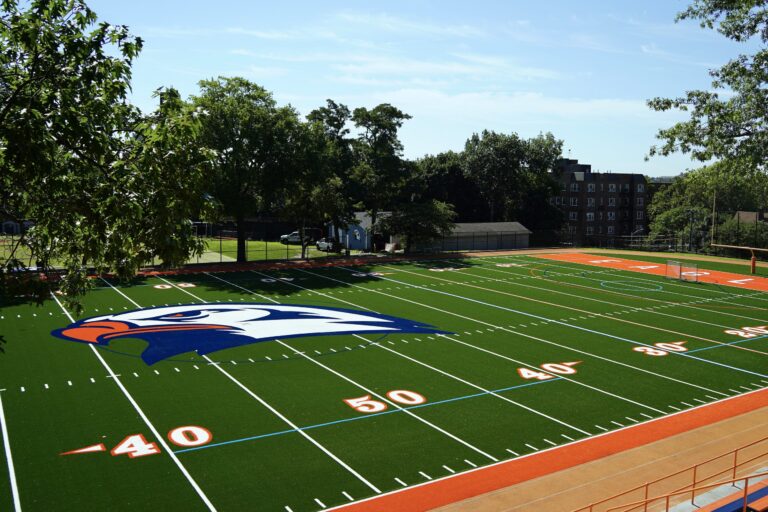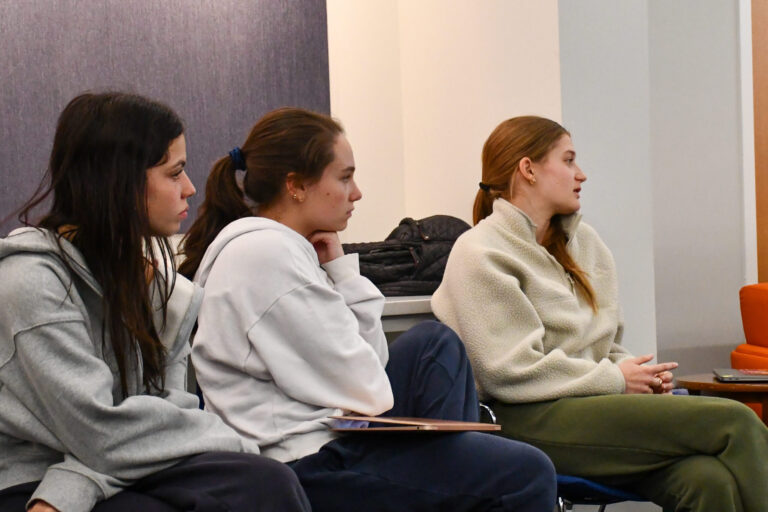
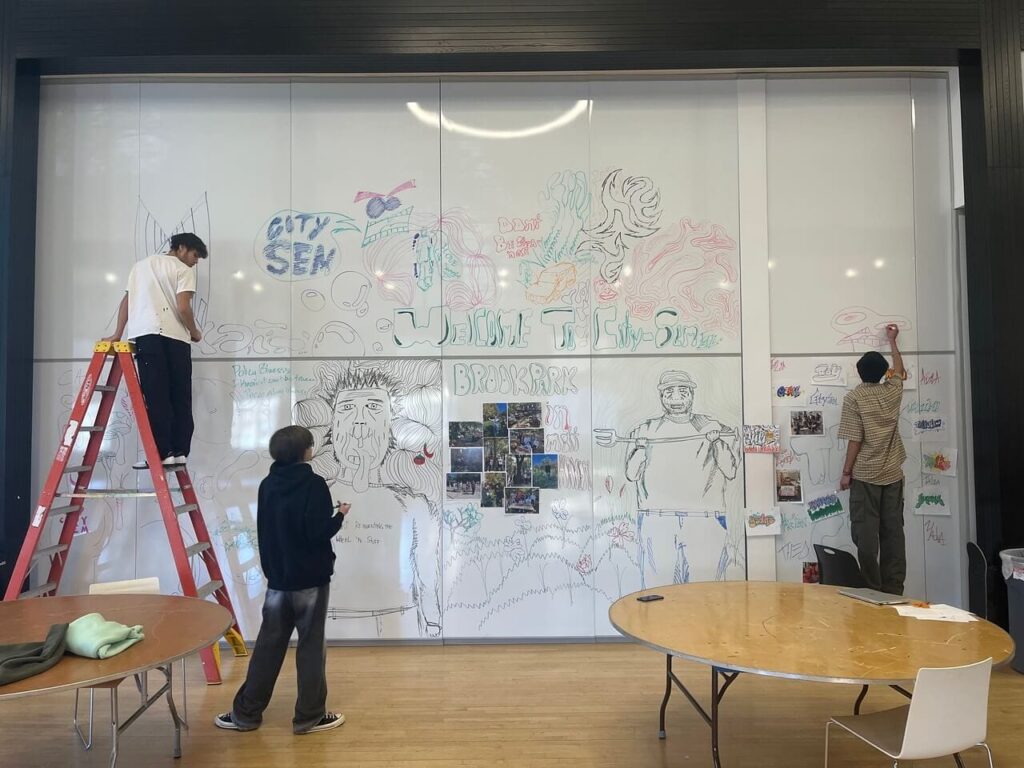
For the first time ever, City Semester was available to Fieldston Upper 11th Graders this fall. Traditionally, ECFS’s own in-house semester away program has only been available during the spring semester. City Semester is unique among semester programs in that students are asked to examine their own New York City and, by doing so, examine themselves.
Roy Blumenfeld, Director of City Semester, explains the necessary work to bring an additional semester of the City Semester program to life: “Fall City Semester has been an extraordinary adventure for the students and faculty alike, and we are so grateful for all the support we have received from the School in allowing the program to grow and reach more students. We came up with an entirely new curriculum for this semester — the result of tremendous work on the part of the faculty, whose dedication to this program makes it truly special. This year’s fall cohort has been exceptional in embodying the role of pioneers: they have taken risks, they have been resilient and adaptable, they have been creative and inquisitive. We look forward to continuing to welcome new students into the City Semester family.”
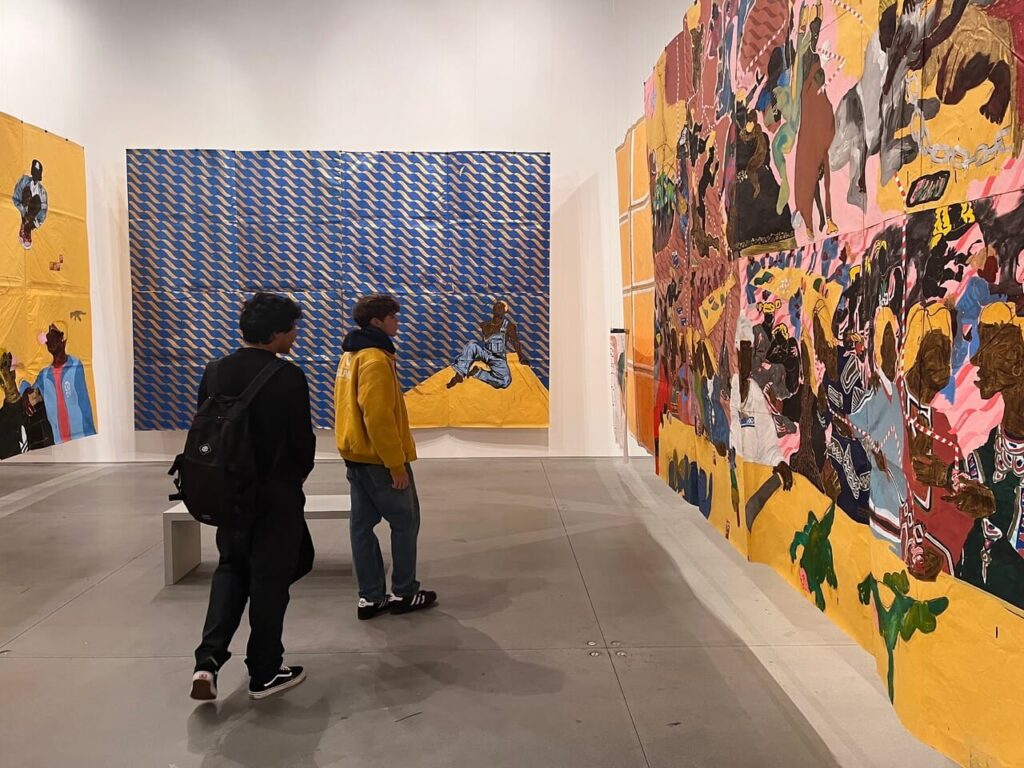
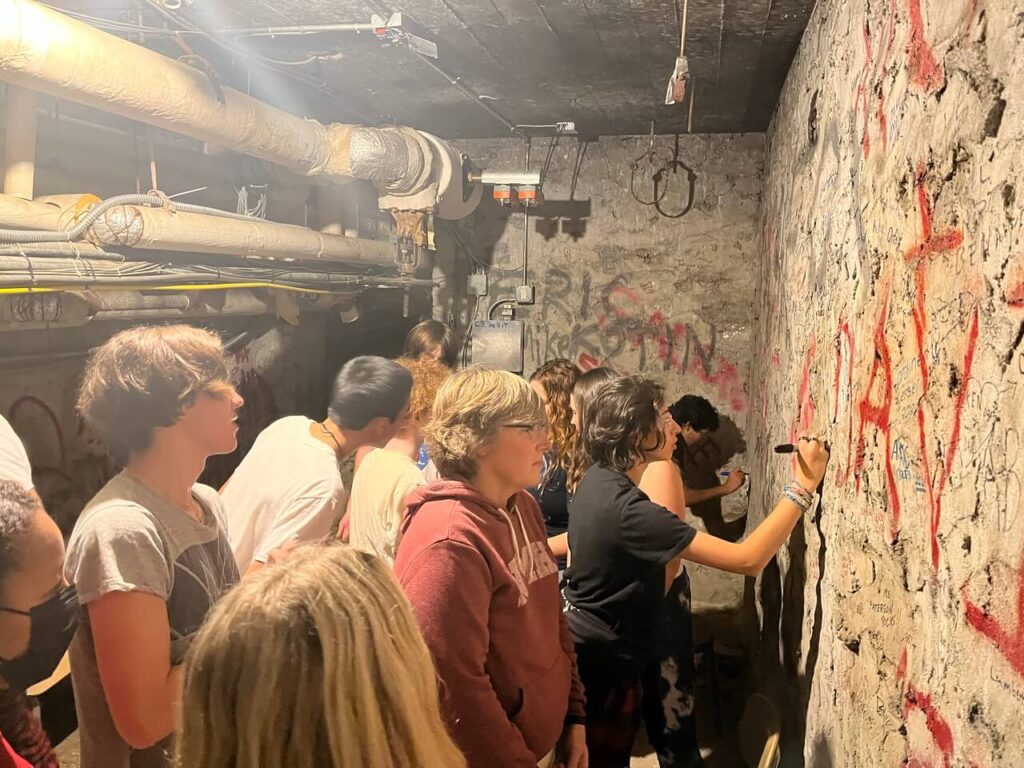
The semester began with an introductory unit focused on contested spaces. Students looked at both historical and contemporary locations that tell interesting stories about our city. The contemporary case studies focused on Mott Haven, a neighborhood with which City Semester has a longstanding relationship.
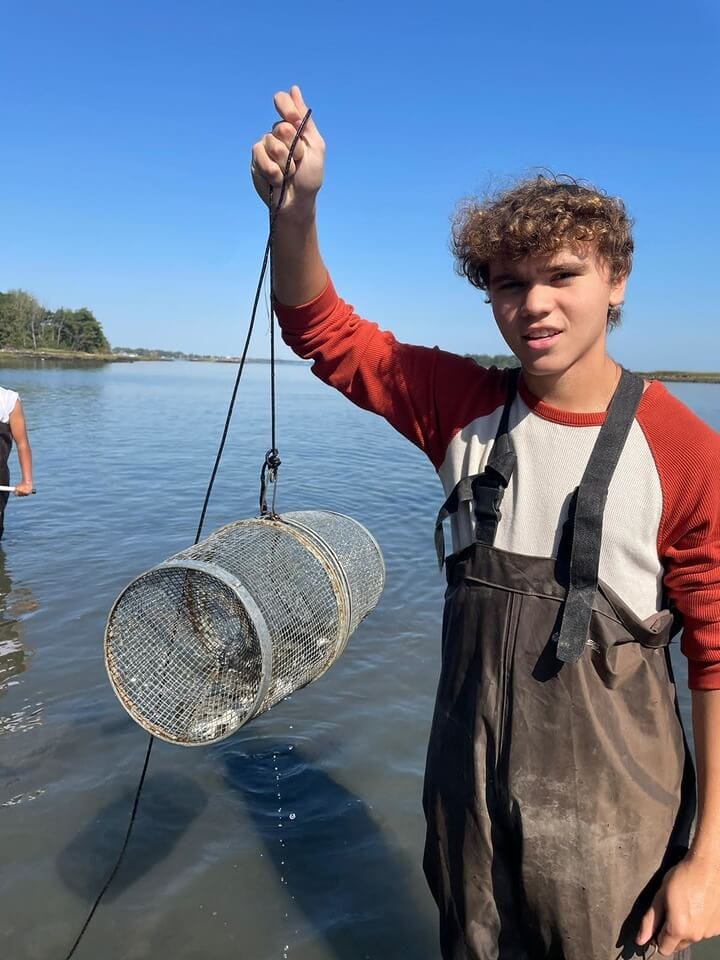
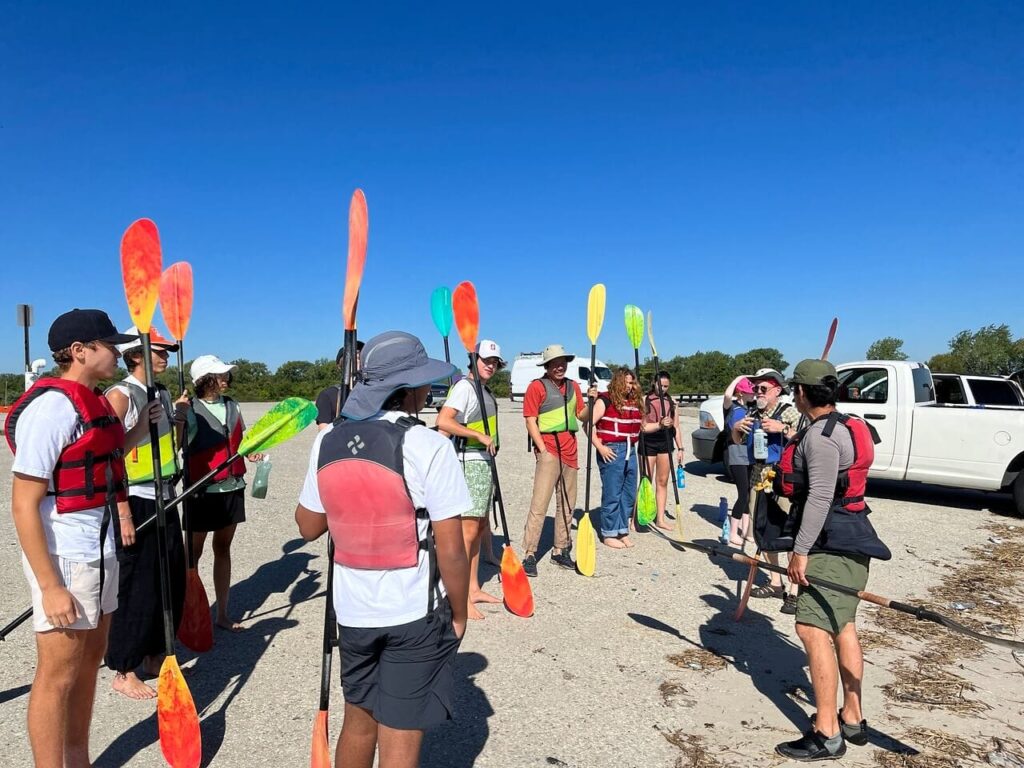
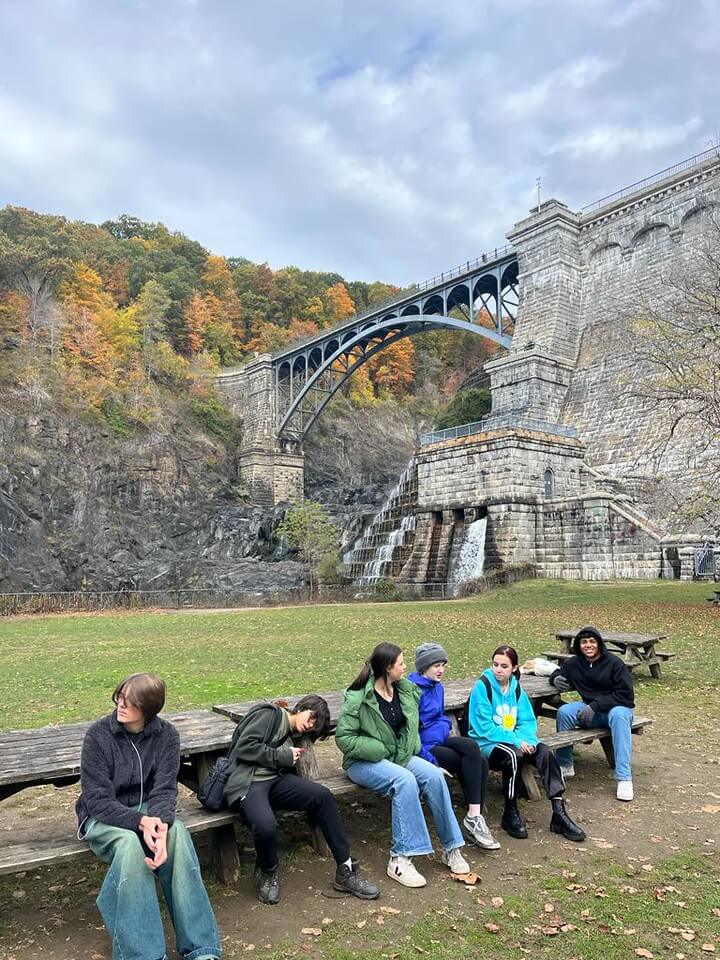
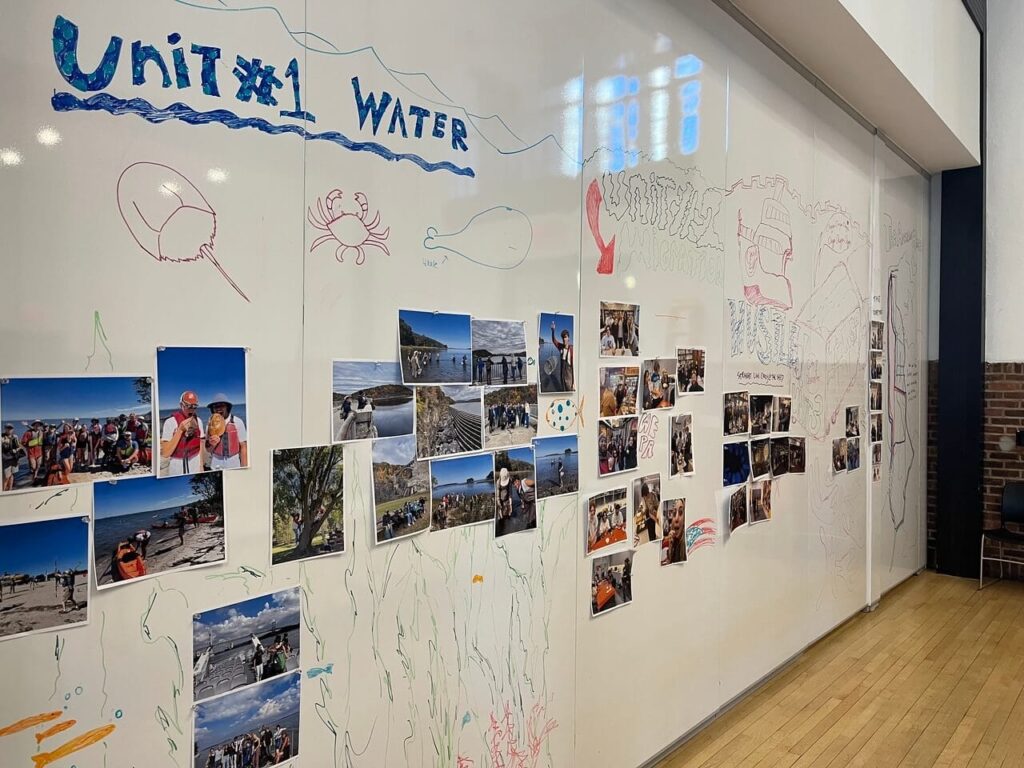
Their next unit focused on water. Students asked themselves: “What is the ecology and the social/political/historical story of New York City’s waterways?”
The third unit was on immigration and migration study. Students learned the history of slavery in downtown Manhattan and visited Washington Heights, Harlem, and Flushing. Students asked: “What does it mean that New York City is an ‘immigrant city’? How have the experiences of immigrants differed across racial and ethnic groups? What are the dominant narratives about immigration and immigrants in New York City? What narratives counter/ challenge these dominant tropes?”
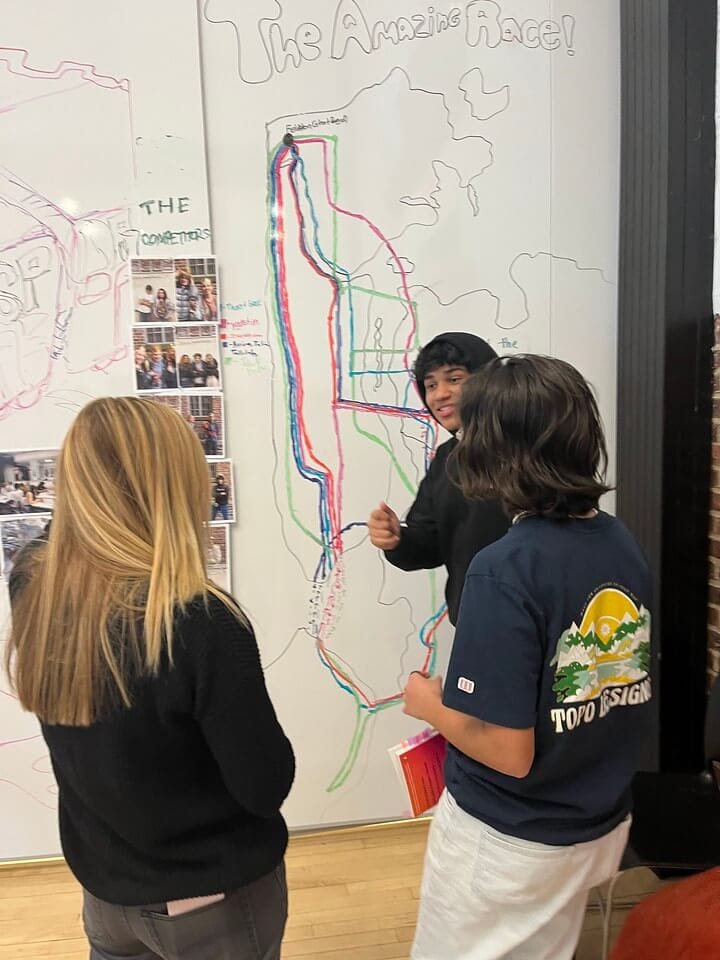
Their final unit was on transportation, where they explored Fieldston’s transportation footprint as a microcosm of larger questions about cost, efficiency, and carbon footprint. Students engaged in an “amazing race” where they had to figure out an ideal route through all five boroughs that balanced considerations of cost, speed, carbon footprint and accessibility.
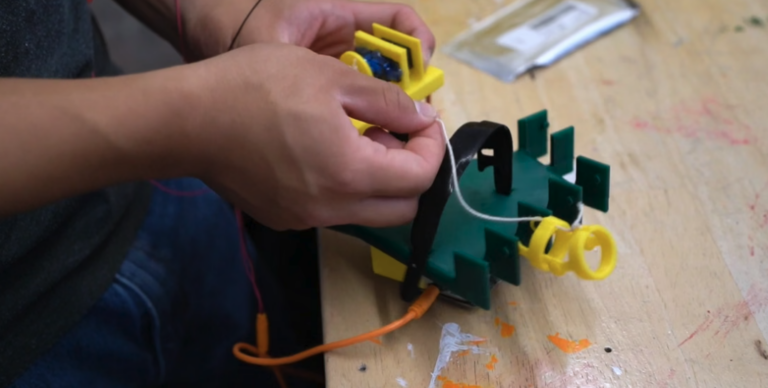
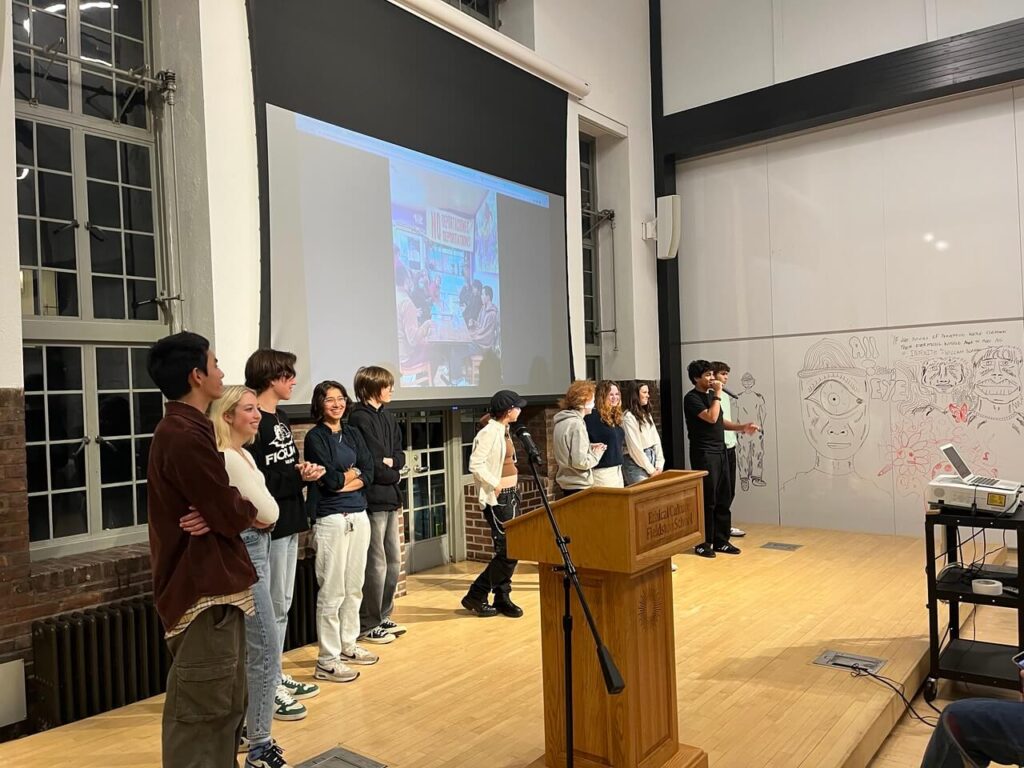
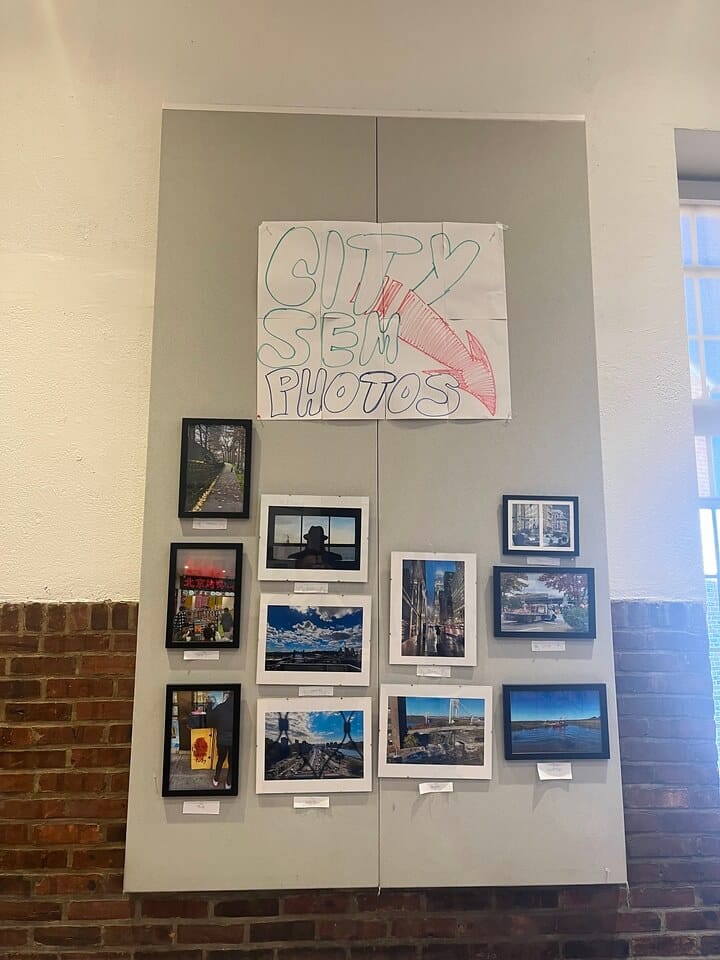
Students culminated the semester by completing policy papers on topics of their own choosing. Topics included homelessness, restorative justice, and green spaces. In January, students from the first-ever City Semester fall class held an exhibition to showcase their impressive final projects. They engaged in a range of projects, from researching the history of urban water sources and analyzing food migration patterns, to creating a cookbook and a music playlist inspired by the cultural diversity of New York City.
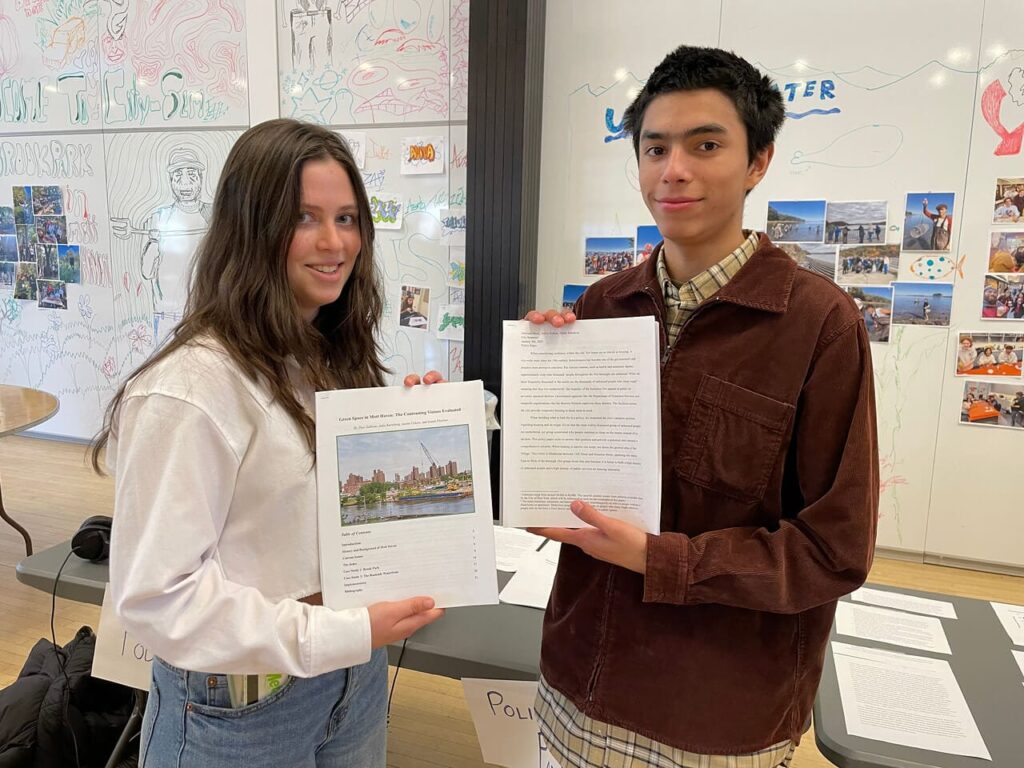
Julia K. ’24’s group project created a green space index using Mott Haven and then ran two other green spaces through the index.
Victor M. ’24’s group project examined homelessness in New York, and in particular, considered New York City Mayor Eric Adams’ recent controversial approach. They devised a policy to renovate old buildings to create homeless shelters aligned with the Breaking Ground organization’s model.
Tallula R. ’24’s group project considered restorative justice and policing in New York City public schools. She said one of the highlights was interviewing the council member for the Riverdale neighborhood.
According to Blumenfeld, “For each City Semester student, we hope that a new understanding of ‘where I come from’ sharpens their sense of ‘where we can go.’” Congratulations to the first fall City Semester students!