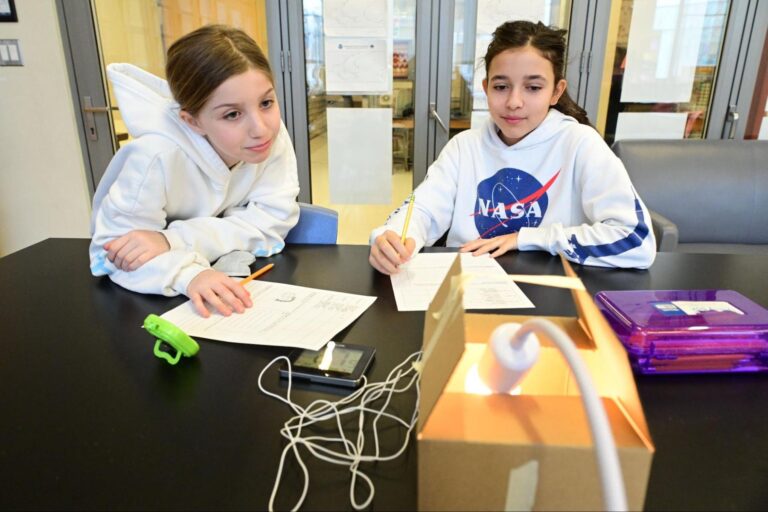
In March, the 4th Graders at Fieldston Lower embarked on a unit on neurodiversity that culminated just before Spring Recess. To begin, 4th Grade Teachers Maggie Morrison and Katie Ward and Learning Specialist Matt Panek introduced neurodiversity, highlighting that every individual’s brain functions differently and everyone experiences strengths and challenges while learning.
Morrison and Ward explain, “We discuss many forms of neurodivergence, many of which the students are already familiar with.” Following an introduction to the subject, students focused on Autism Spectrum Disorder (ASD) and specific strengths and obstacles that people with ASD face. Students watched simulations created by people on the autism spectrum to help them better understand that experiences often vary from person to person.
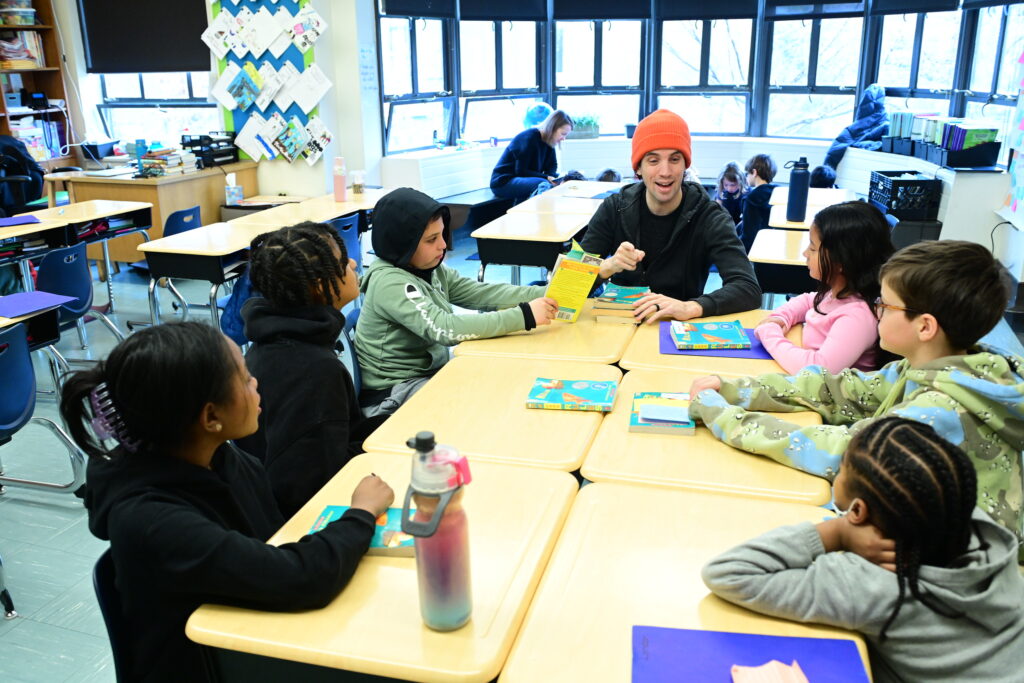
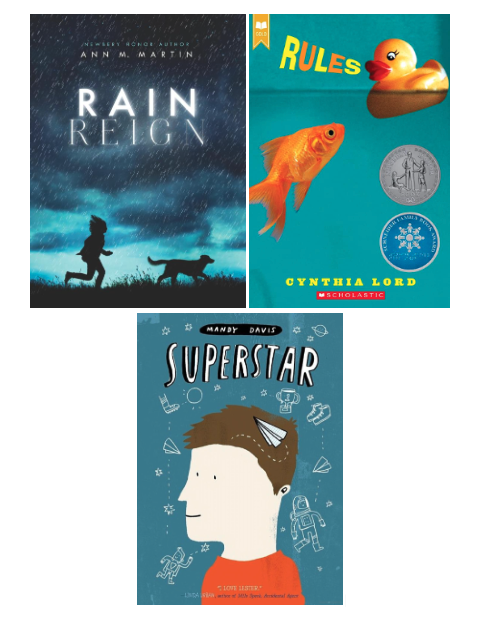
Then, each 4th Grade class was divided into three book club groups, each reading a different story about a protagonist or character with ASD. The three books students read this year were “Superstar” by Mandy Davis, “Rules” by Cynthia Lord, and “Rain Reign” by Ann M. Martin.
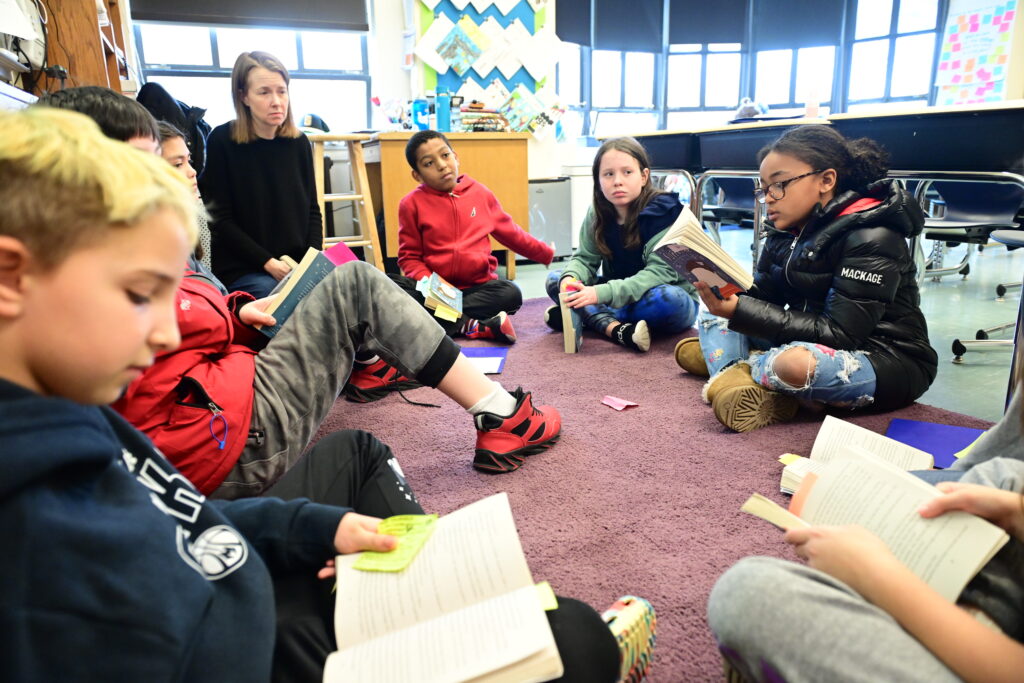
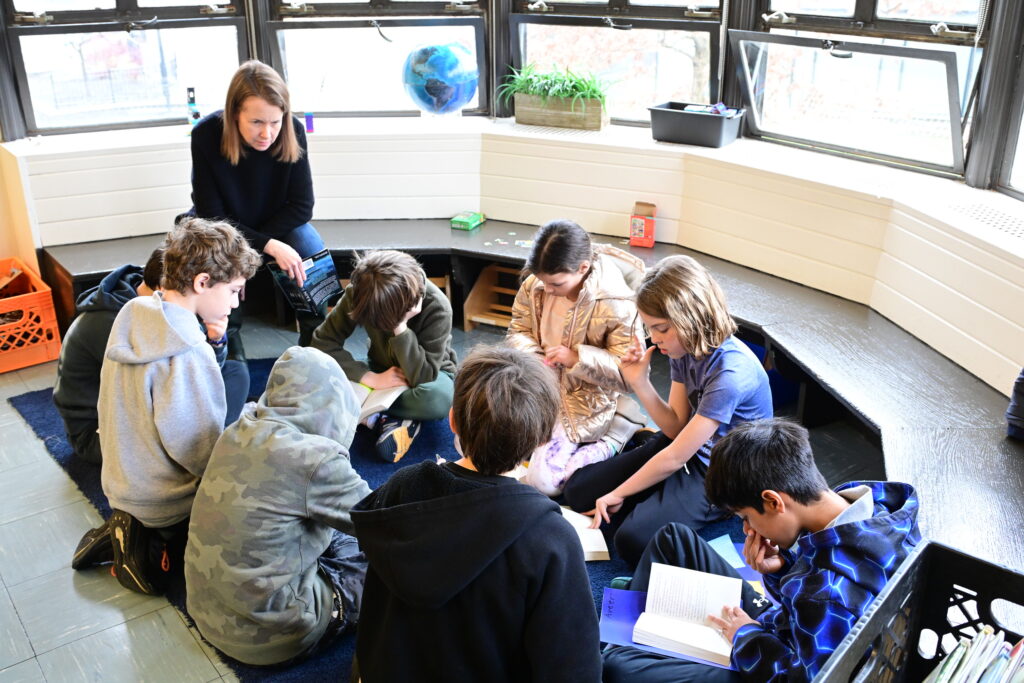
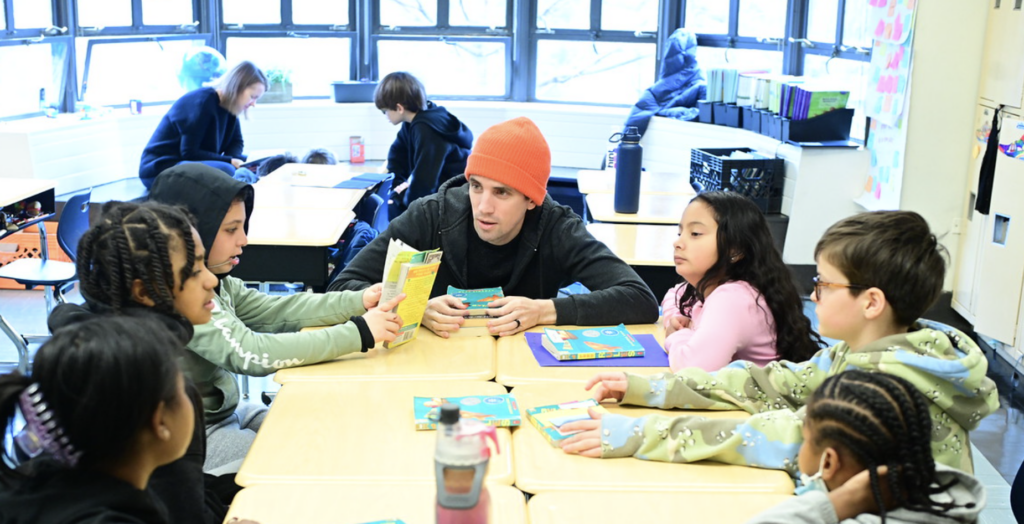
According to Morrison and Ward, they wanted to try a new structure for the book club this year: “Students met in their book clubs, read together, and participated in student-led discussions about what they have read two days per week. Then, one day a week, we cross-group the students, so they are in a group with students reading each of the three books. These groups participate in a more general discussion focusing on connecting the stories and analyzing the similarities and differences between the characters’ experiences.”
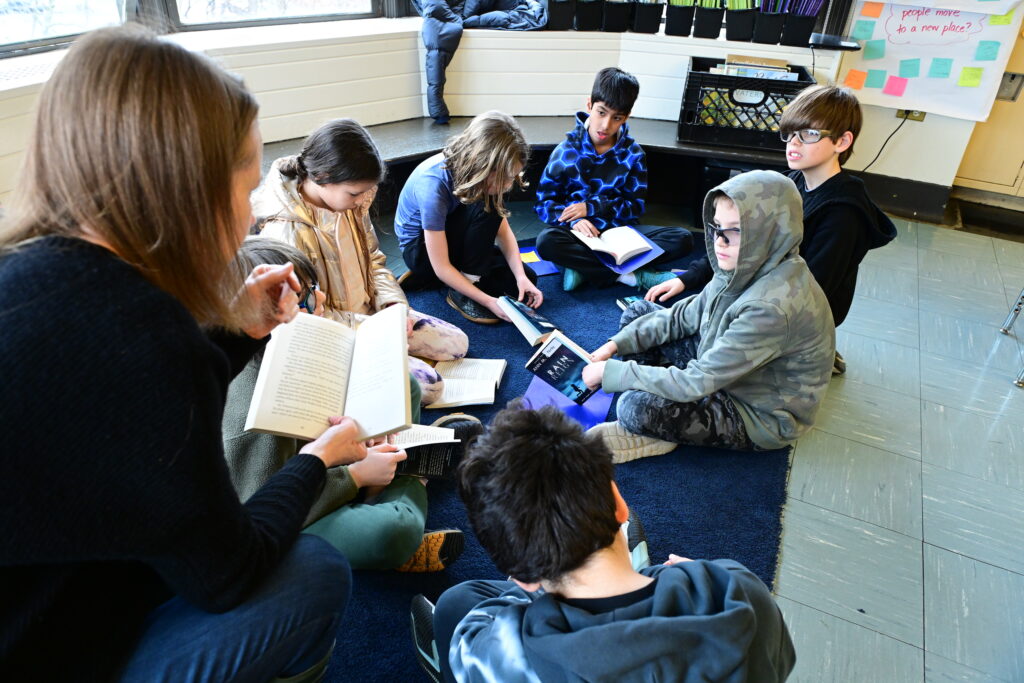
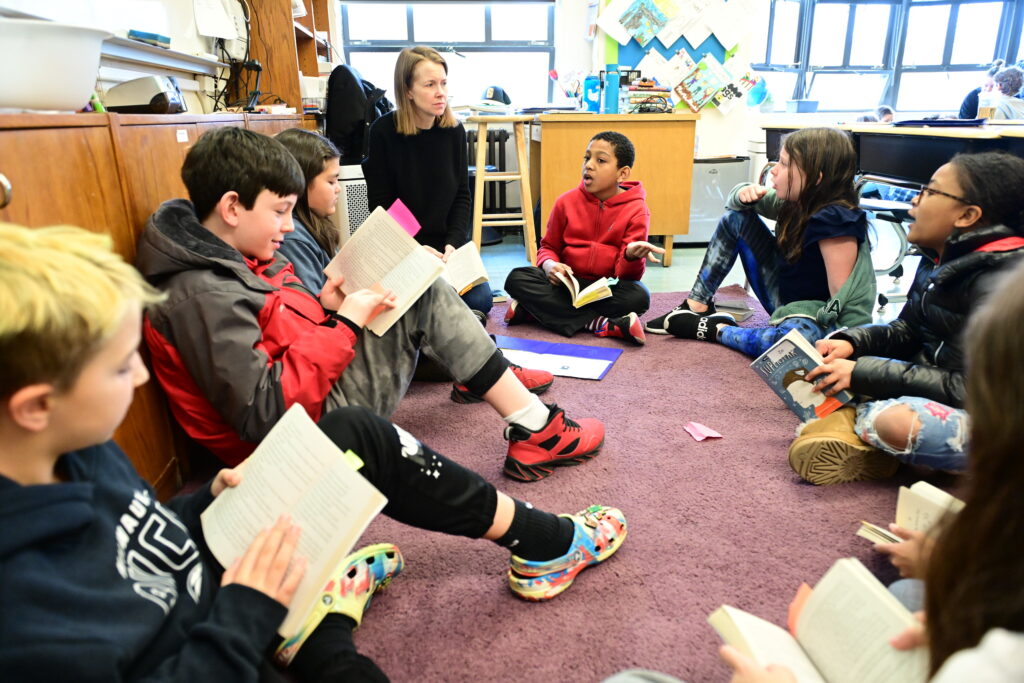
The structure gives students opportunities to develop their listening and discussion skills. The 4th Grade teachers encourage students to use active listening skills and accountable talk — a discussion method that gives students autonomy and requires higher-order thinking, speaking and listening, and collaboration. These methods help students successfully navigate discussions, make thoughtful connections with others’ ideas, add to each other’s comments, and use clarifying questions to ensure they understand.
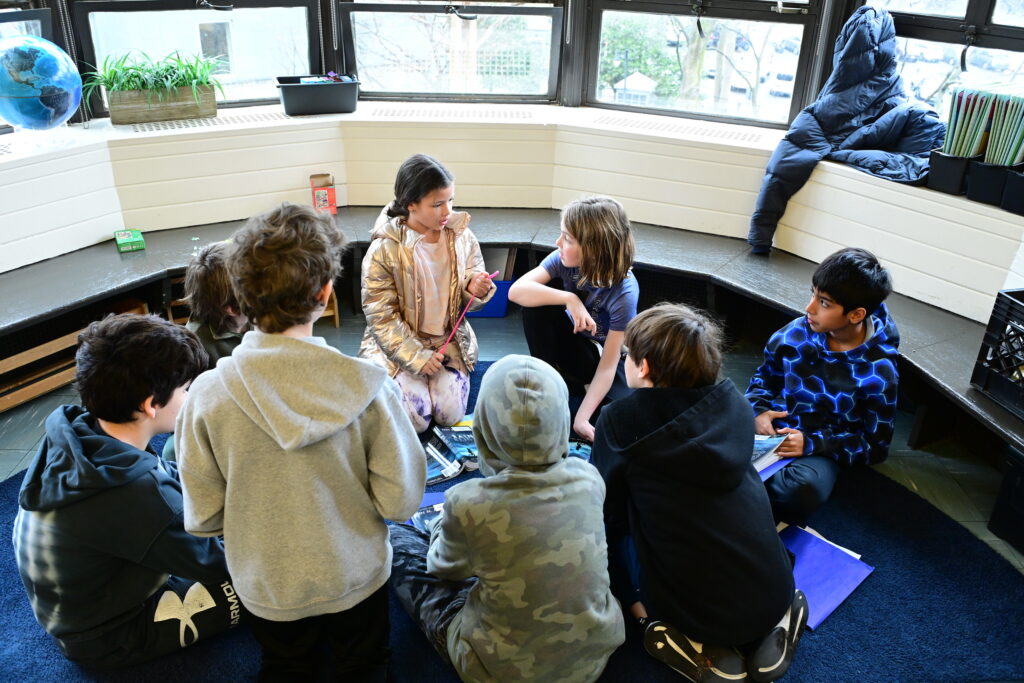
One student, Joseph D. ’31, explained to his group that ASD and other forms of neurodivergence are often negatively stereotyped when they shouldn’t be. “I think it’s actually kind of like a superpower,” Joseph said.
Another student, Cora S. ’31, who read “Superstar” by Mandy Davis, explained that “no brain thinks the exact same way. But there are so many benefits of thinking a different way. In our book, the main character Lester is really good at science. If we saw and appreciated his strengths, we could make sure he was able to do something with them! Like maybe he would even invent the next important vaccine!”
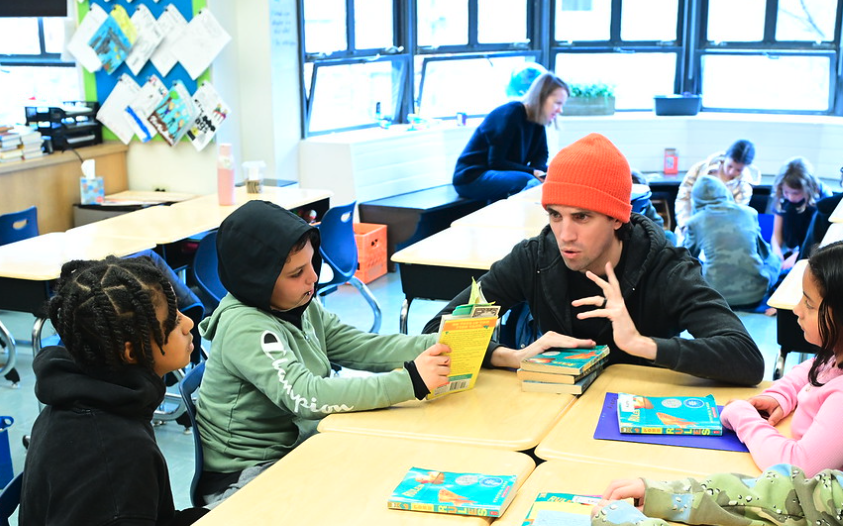
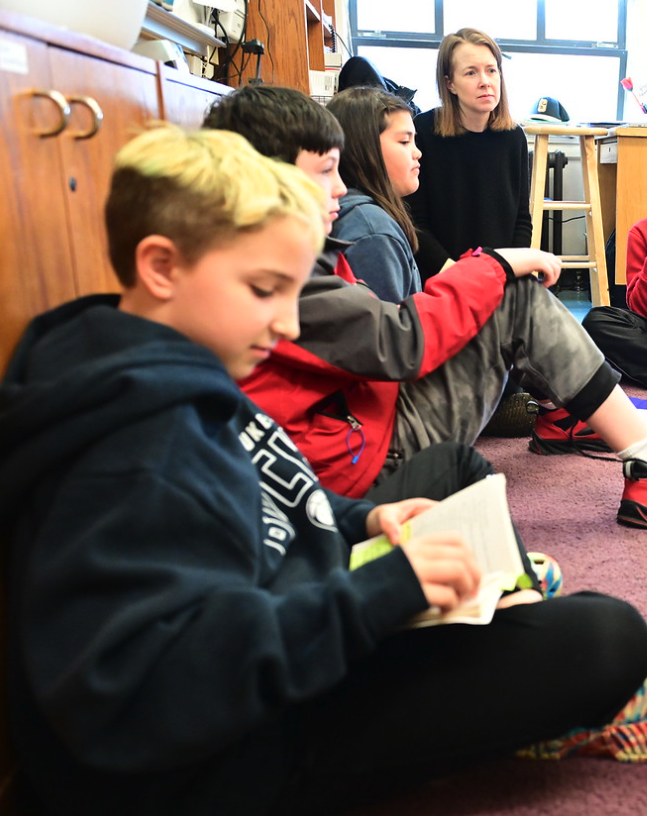
“Students have enjoyed making sense of their reading through discussing with their peers and are having deeper conversations about story themes that go beyond surface-level understanding,” explain Morrison and Ward.