6th Graders are starting their Fieldston Middle science education with a team-taught approach to their Environmental Science course. The class now comprises a project-based curriculum that integrates intentional, multifaceted insights into ethics.
Taught by Ben Horner, Patricia Matos, and John Baglio, the 6th Grade course consists of units on environmental justice, environmental field studies, and “enviro-STEM,” with all students taking each one throughout the year. The revised program emerged from a desire to incorporate more engineering, project-based work, and integration of ethics and justice into the 6th Grade experience.
Matos teaches the semester-long environmental justice portion, saying: “It’s a deep dive into sustainability and equity — including voices that are rarely heard — and applying sustainability through an equitable lens. There’s the ethics component, the justice component, and what we can do as student scientists to move towards a more just environment and global community.”
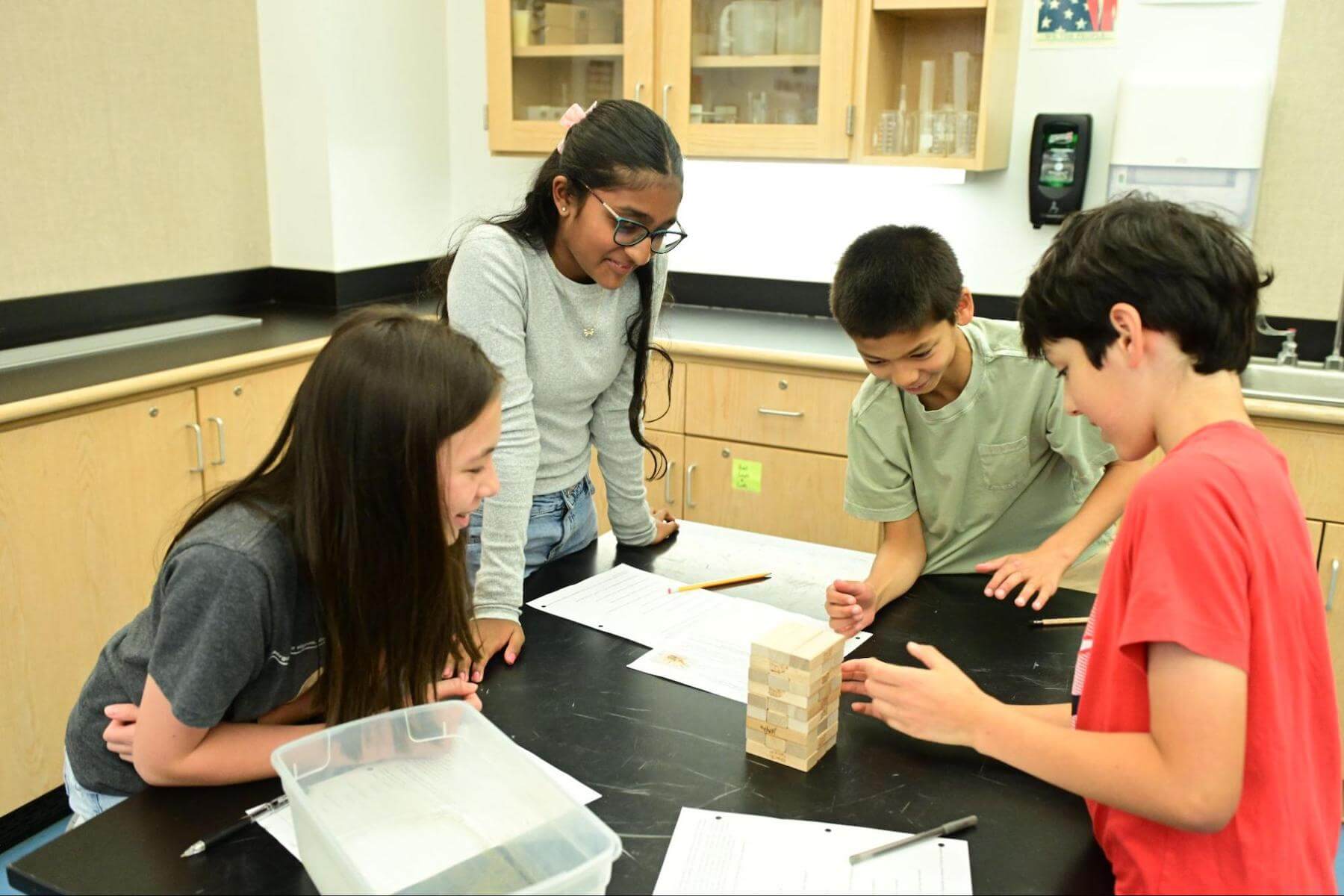
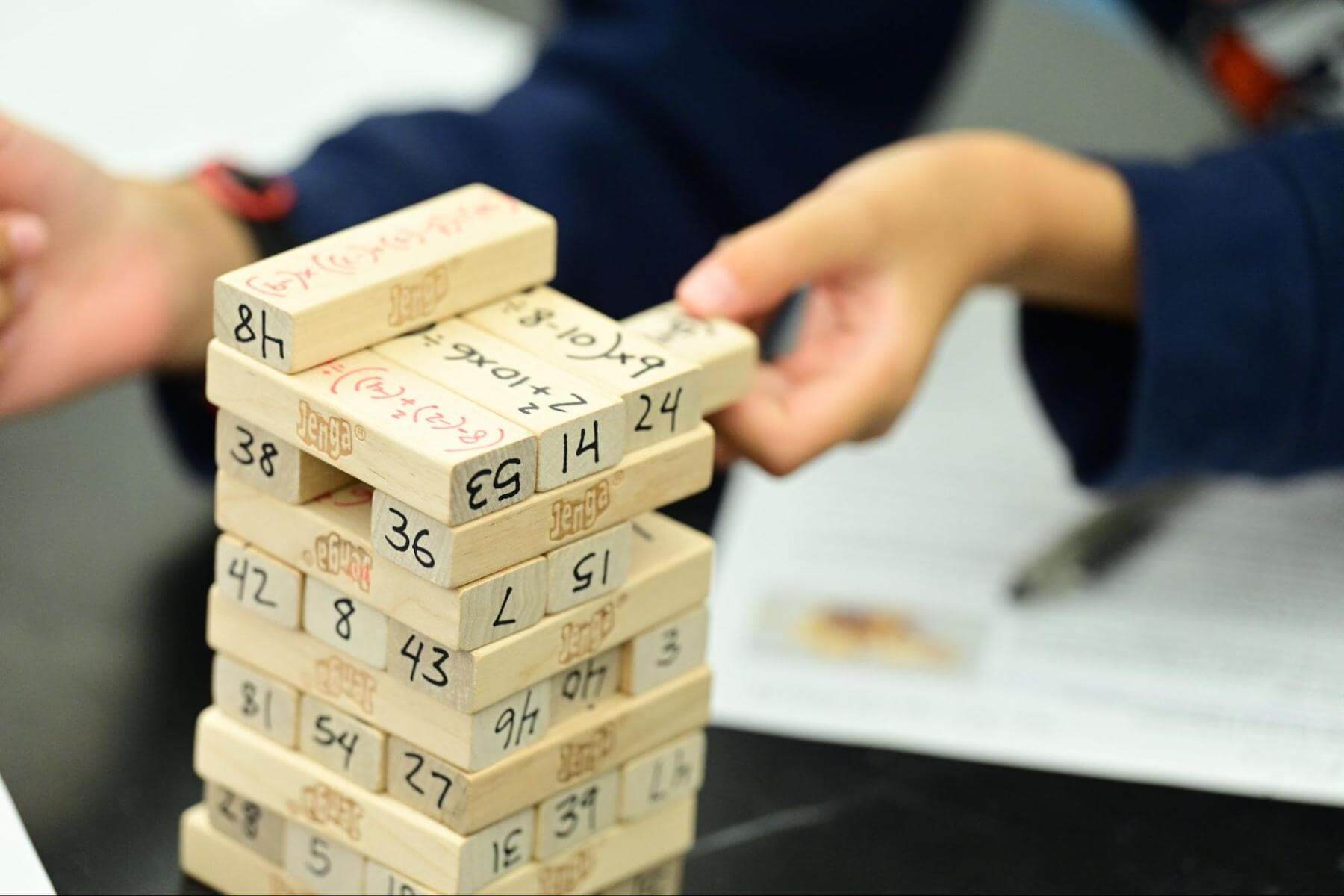
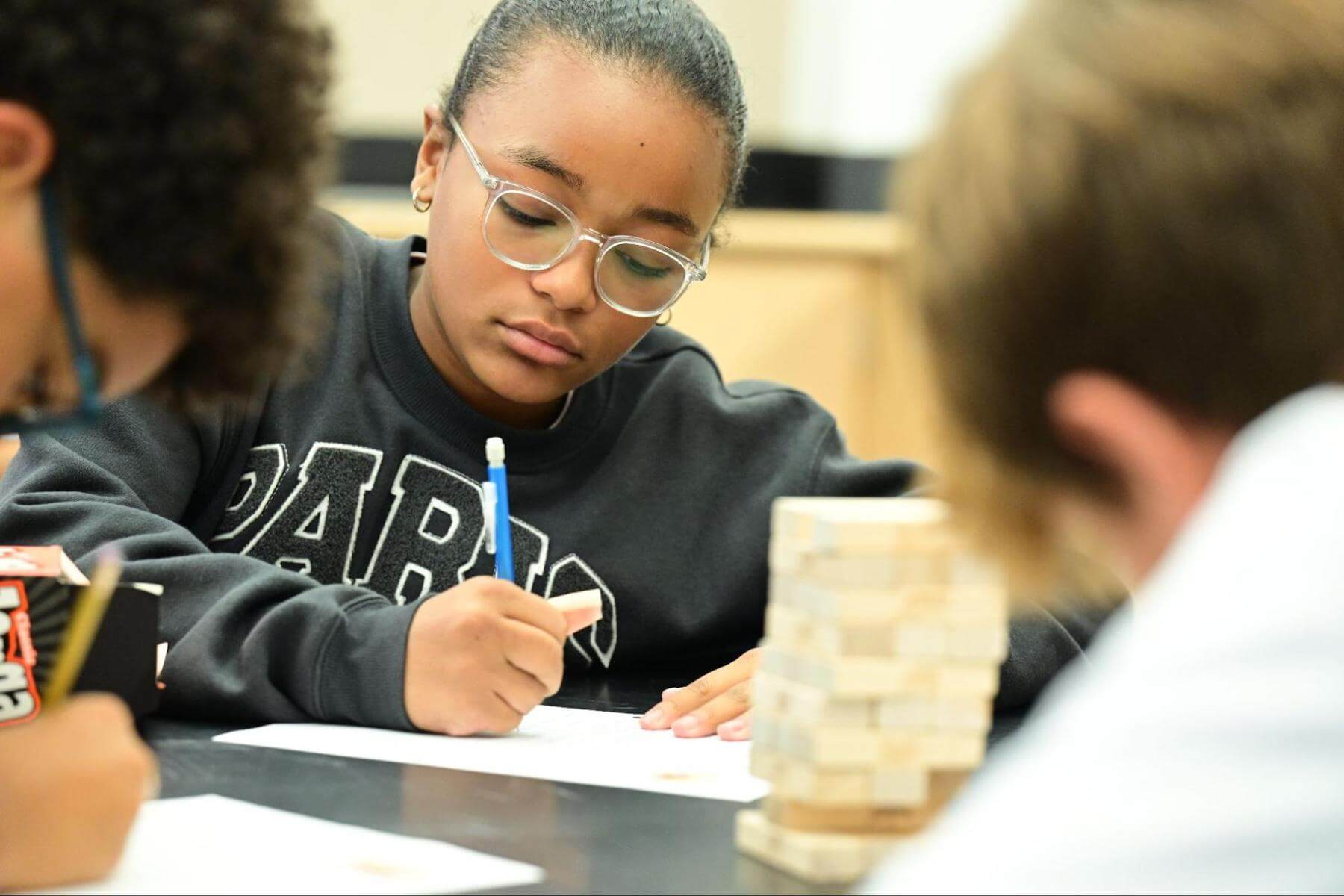
So far, activities demonstrating sustainability and community-based solutions to climate change have included a “coal mining” exercise, where students used toothpicks to mine coal from land (represented by chocolate chips from cookies). The activity was paired with an Indigenous story about humans’ responsibility to the environment. They also played with Jenga towers to make qualitative and quantitative observations about their stability, serving as an analogy to sustainability.
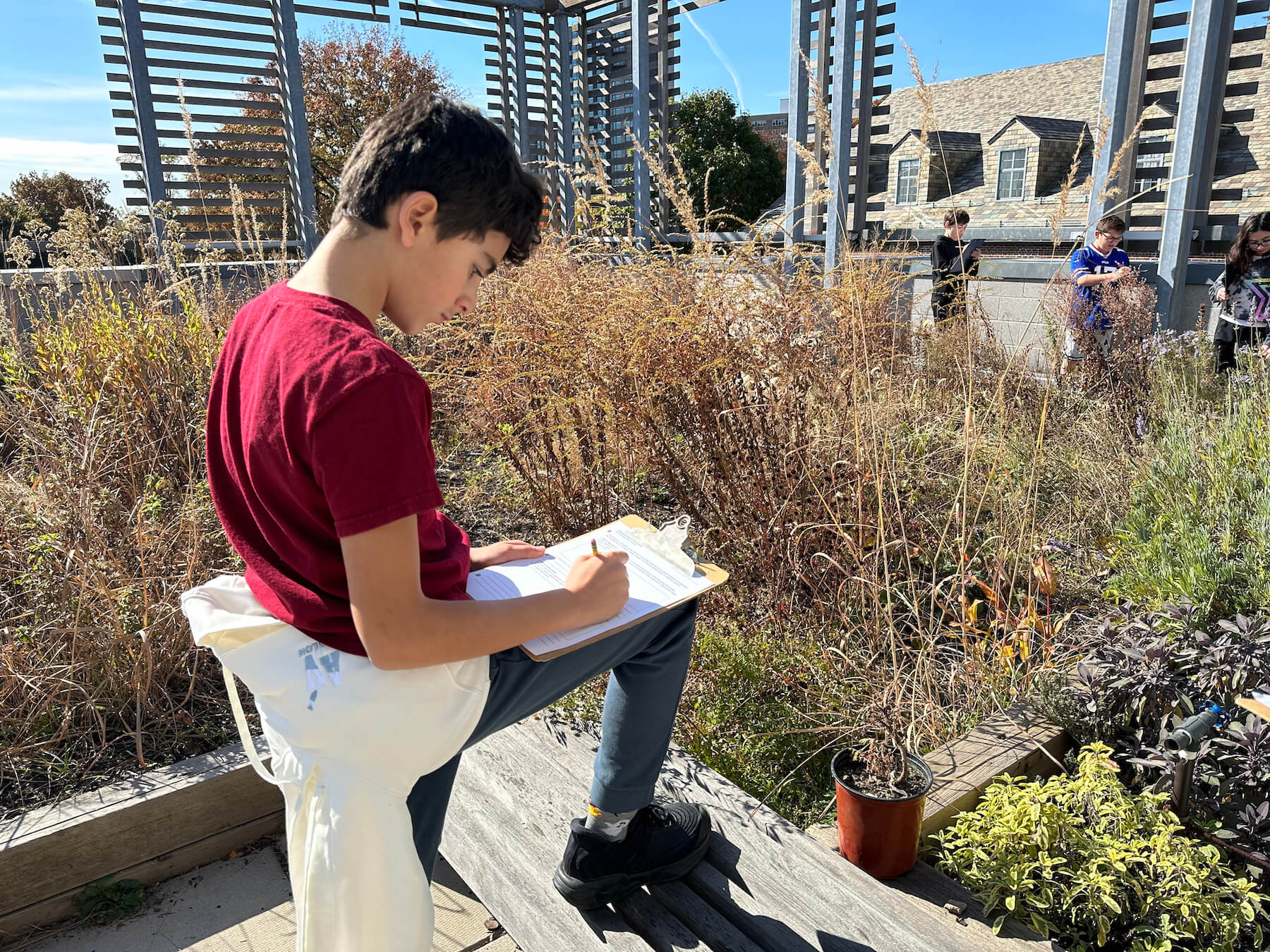
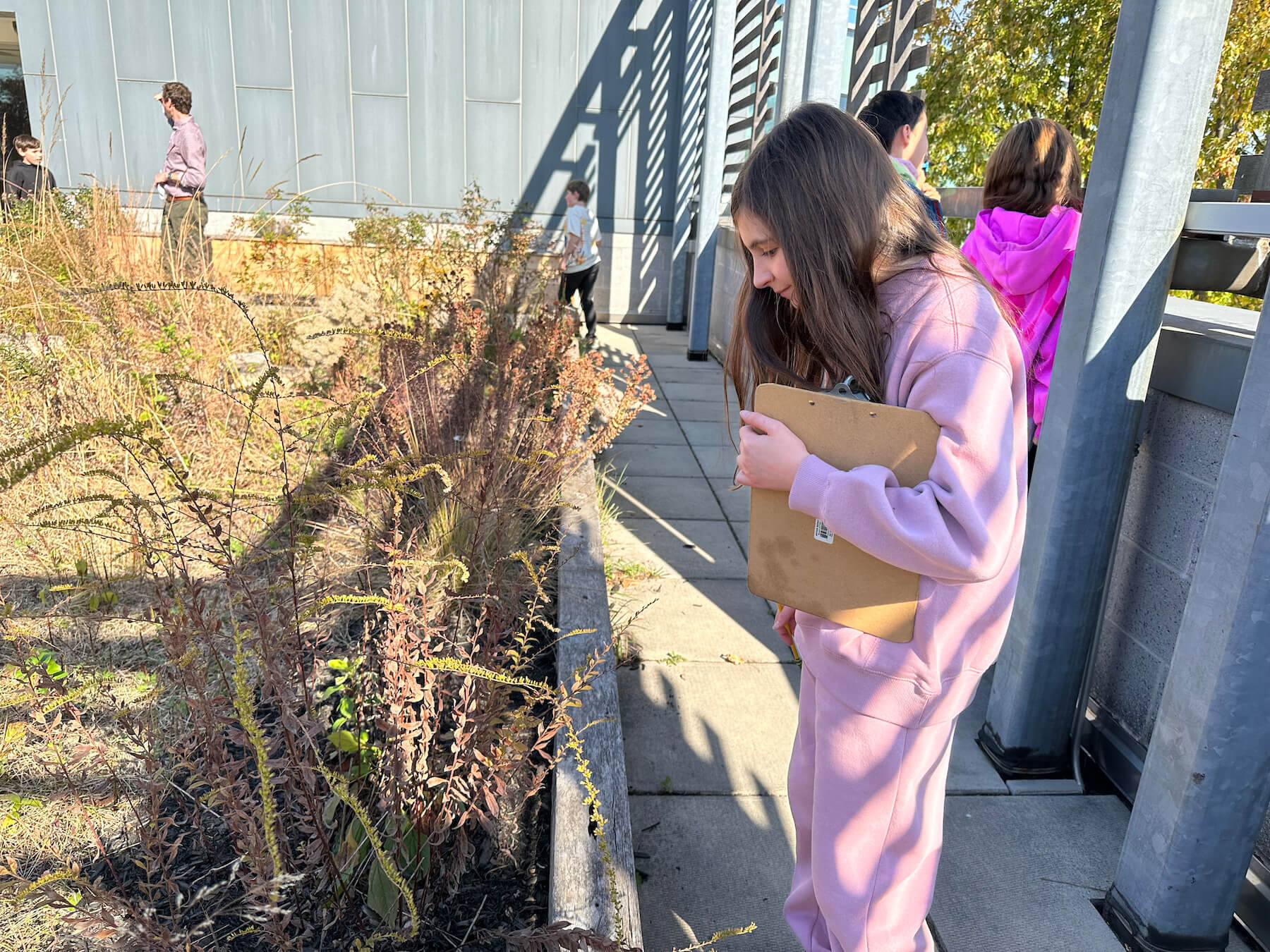
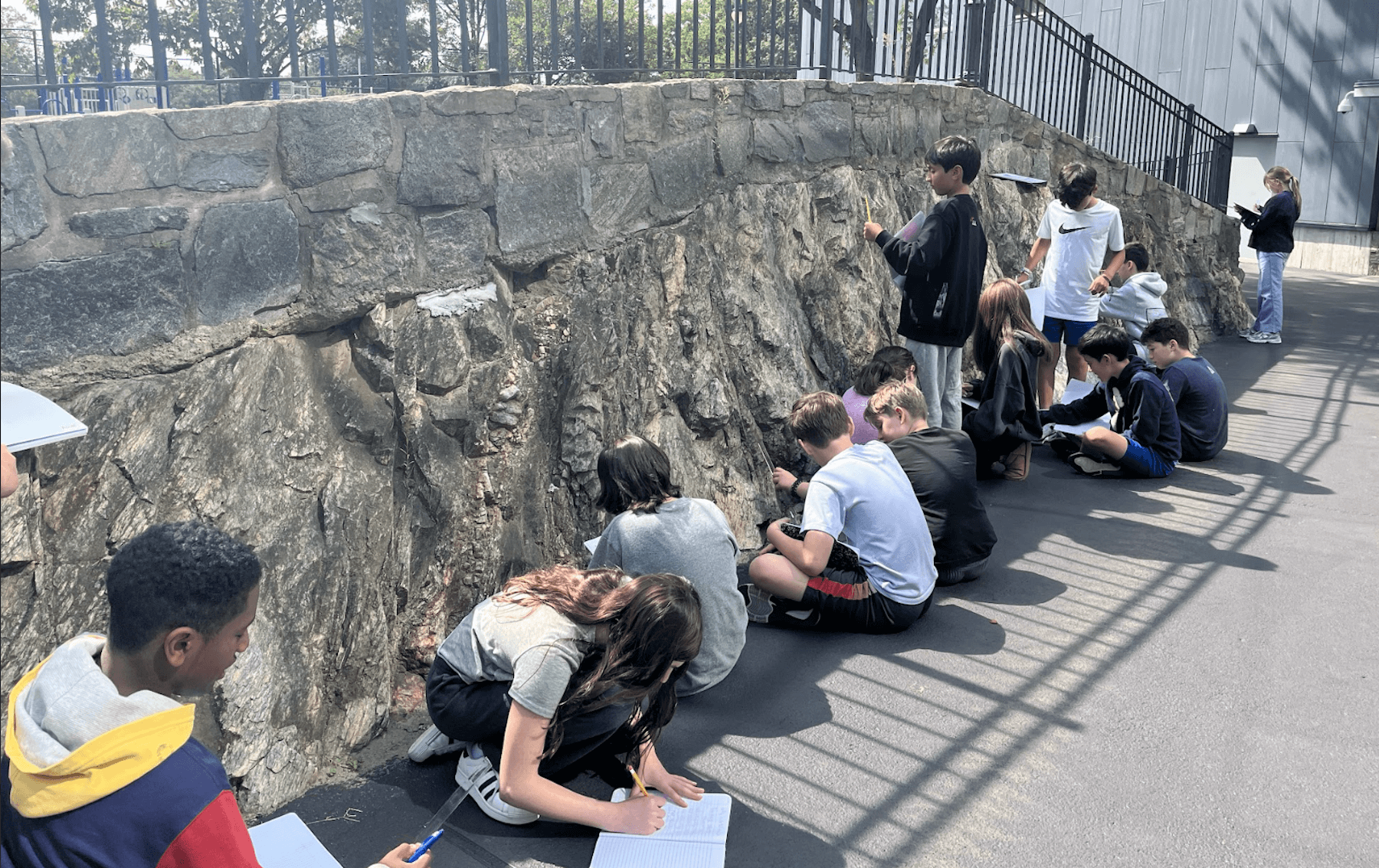
This experiential learning reflects students’ environmental field studies, inspired partly by the ECFS campus. 6th Graders have explored all corners of this outdoor resource, from examining Fordham Gneiss bedrock right outside the Fieldston Middle doors to searching for evidence of animal activity on the Green Roof. This ecosystem-focused, place-based study supports one of the key course objectives: understanding how observing the local environment can teach us about broader environmental issues affecting our planet.
“We’ve brought in different ways of thinking about science that all complement and build on each other,” Horner says. “It feels very engaging to 6th Graders to experience process skills and the ways we do science that will be built upon in 7th and 8th Grade and later in high school. These lessons also bring in an ethics and justice focus that complements the School’s mission. To me, this feels like a great class that lives up to ECFS ideals regarding progressive and experiential education.”
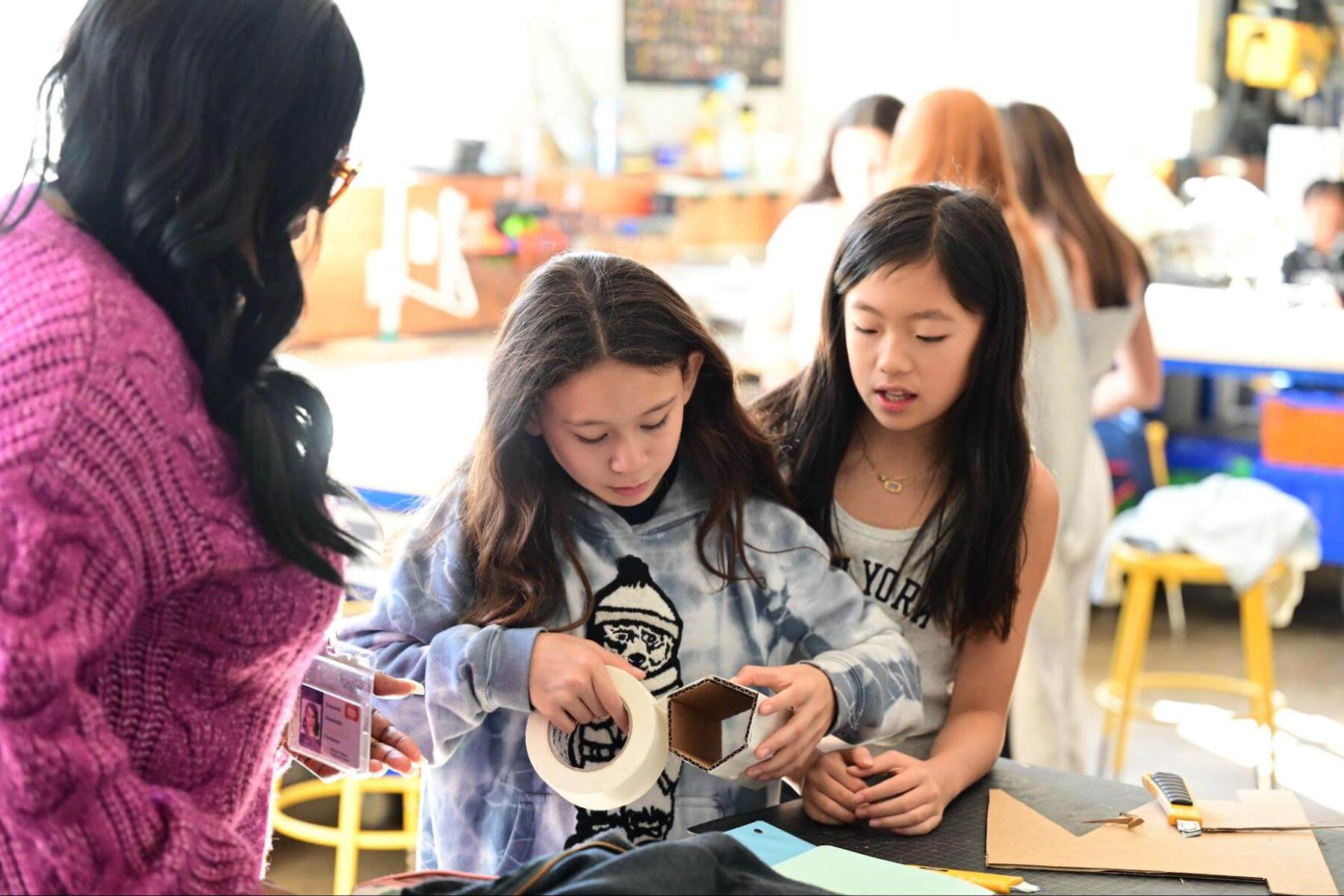
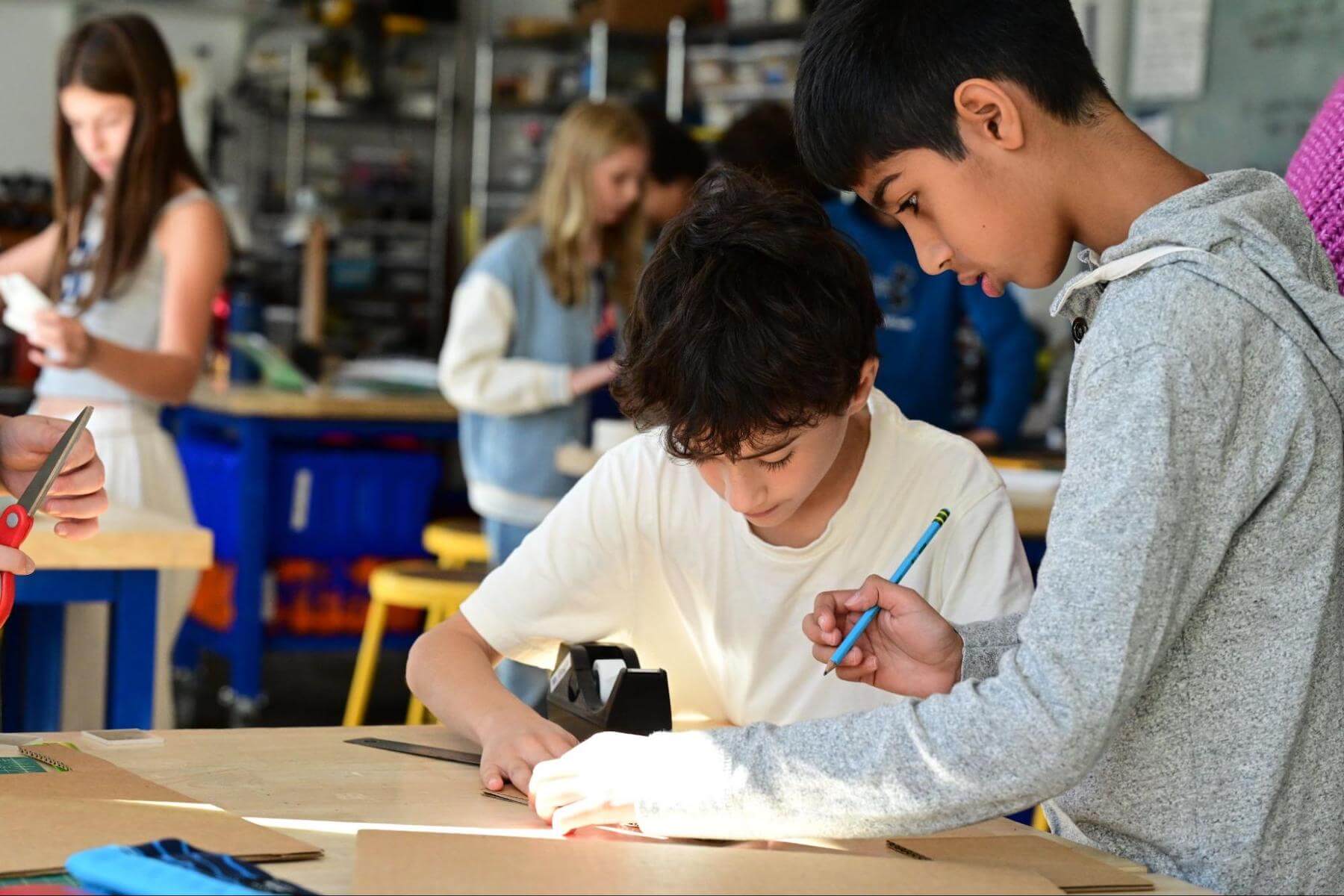
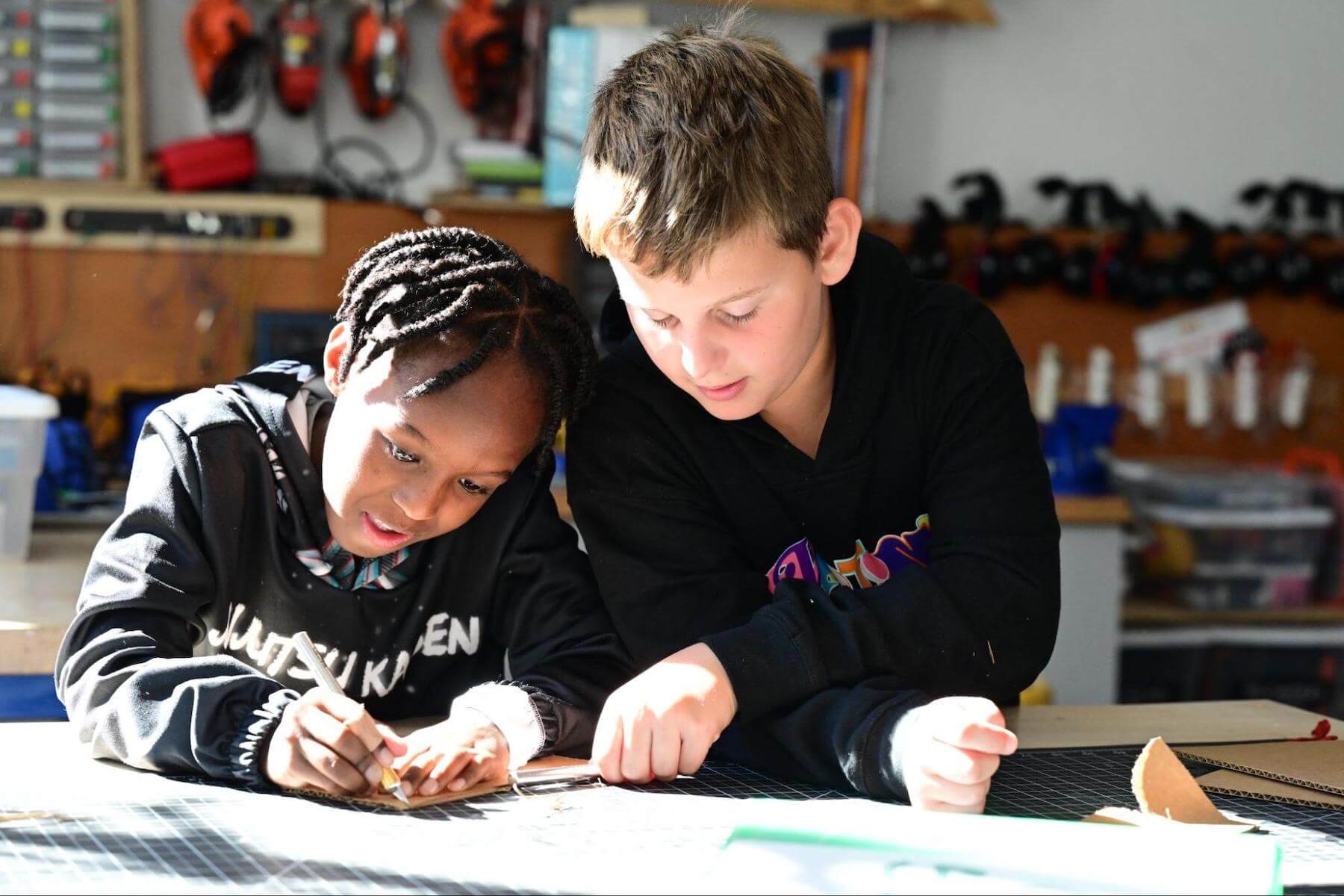
Horner splits the teaching of “enviro-STEM” with Baglio, who leads students’ first formal engineering experience with the goals of implementing design features for adapting to climate change effects and constructing climate-friendly houses. The unit’s scientific investigation portion, taught by Horner, introduces the mechanics of climate change, its causes, and solutions to these effects.
“When we’re modeling climate-friendly houses, they have design and testing elements, and we talk about building materials and choices,” Baglio says. “The goal is to create a sense of agency where students say, ‘Oh, I know stuff. I can make choices. I could effect change in my environment from a design perspective.’”
While unit assignments differ, their core lessons aim to overlap and build upon each other. “The students get different perspectives within the same course,” Horner says. “The course also has the three of us working together and having to be flexible, so I think students will also pick up on that collaboration.”
“We’re instilling a cognitive flexibility at such a young developmental age, and it’s also giving students a way of thinking that’s not as linear as you would anticipate in a course,” Matos adds. “The flexibility of thinking that comes from these different lenses and perspectives is one of the class’s most unique features.”
With this early exposure to immersive science research and lab work through an ethical lens, 6th Graders are on their way to understanding and creating a more sustainable world.